
-
ProductAs the first company in the country to develop and produce explosion-proof touch screens, computers, HMIs, and related products, Xuyong has been a pioneer in industrial safety and innovation for over 20 years.
-
EquipmentAs the first company in the country to develop and produce explosion-proof touch screens, computers, HMIs, and related products, Xuyong has been a pioneer in industrial safety and innovation for over 20 years.
-
SolutionAs the first company in the country to develop and produce explosion-proof touch screens, computers, HMIs, and related products, Xuyong has been a pioneer in industrial safety and innovation for over 20 years.
-
AboutAs the first company in the country to develop and produce explosion-proof touch screens, computers, HMIs, and related products, Xuyong has been a pioneer in industrial safety and innovation for over 20 years.

Understanding ATEX Touch Panels for Hazardous Environments
2025-12-06 12:00
---
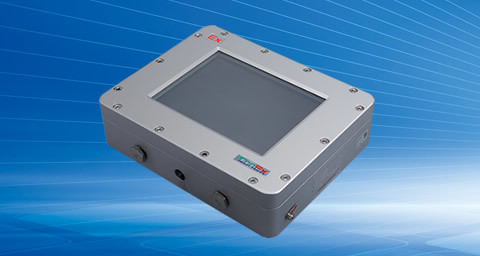
ATEX touch panels are crucial components engineered for use in potentially explosive atmospheres, adhering to the stringent requirements set forth by the ATEX directive in the European Union. This directive focuses on equipment and protective systems intended for use in explosive environments, ensuring that all products can operate safely and effectively without posing a risk of ignition.
The primary characteristic of ATEX touch panels is their ability to withstand extreme conditions, including dust and volatile gases, while maintaining functionality. These panels are constructed with materials that mitigate the risk of ignition, such as glass and robust casings that can endure harsh treatments. The touch technology employed in these panels is designed to work seamlessly even when wearing gloves, which is essential in industrial settings where protective gear is mandatory.
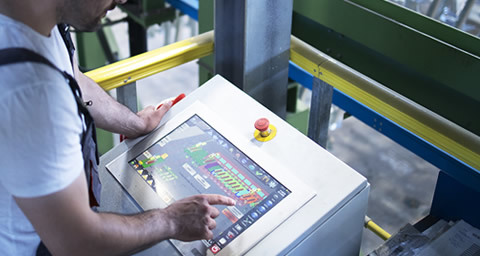
In electrical control systems, ATEX touch panels serve as user interfaces that allow operators to monitor and control various processes safely. They provide clear visibility, often featuring high-resolution displays that can be read in varying light conditions. This ensures that operators can access real-time data and manage operational tasks efficiently.
One of the significant advantages of ATEX touch panels is their versatility. They can be integrated into a variety of applications, from oil and gas industries to chemical manufacturing plants, where the risk of explosion is a constant concern. Their adaptability allows businesses to implement advanced control systems while adhering to safety regulations and standards.
When selecting an ATEX touch panel, it is crucial to consider the specific zone classification of the environment where it will be deployed. The ATEX directive classifies areas into different zones based on the level of risk, and choosing a panel that meets the appropriate classification is vital for ensuring safety and compliance.
Furthermore, these panels often come with a range of communication options, allowing for seamless integration with existing control systems. This connectivity is essential for modern industrial applications where data exchange and remote monitoring are becoming increasingly important.
In conclusion, ATEX touch panels are vital for ensuring safety in environments prone to explosive hazards. Their robust construction, user-friendly interfaces, and adaptability make them indispensable tools in electrical control systems. By understanding their features and applications, businesses can enhance operational efficiency while maintaining compliance with safety standards. When considering ATEX touch panels, it's essential to evaluate the specific requirements of your environment to choose the most suitable solution for your needs.
ATEX touch panels are crucial components engineered for use in potentially explosive atmospheres, adhering to the stringent requirements set forth by the ATEX directive in the European Union. This directive focuses on equipment and protective systems intended for use in explosive environments, ensuring that all products can operate safely and effectively without posing a risk of ignition.
The primary characteristic of ATEX touch panels is their ability to withstand extreme conditions, including dust and volatile gases, while maintaining functionality. These panels are constructed with materials that mitigate the risk of ignition, such as glass and robust casings that can endure harsh treatments. The touch technology employed in these panels is designed to work seamlessly even when wearing gloves, which is essential in industrial settings where protective gear is mandatory.
In electrical control systems, ATEX touch panels serve as user interfaces that allow operators to monitor and control various processes safely. They provide clear visibility, often featuring high-resolution displays that can be read in varying light conditions. This ensures that operators can access real-time data and manage operational tasks efficiently.
One of the significant advantages of ATEX touch panels is their versatility. They can be integrated into a variety of applications, from oil and gas industries to chemical manufacturing plants, where the risk of explosion is a constant concern. Their adaptability allows businesses to implement advanced control systems while adhering to safety regulations and standards.
When selecting an ATEX touch panel, it is crucial to consider the specific zone classification of the environment where it will be deployed. The ATEX directive classifies areas into different zones based on the level of risk, and choosing a panel that meets the appropriate classification is vital for ensuring safety and compliance.
Furthermore, these panels often come with a range of communication options, allowing for seamless integration with existing control systems. This connectivity is essential for modern industrial applications where data exchange and remote monitoring are becoming increasingly important.
In conclusion, ATEX touch panels are vital for ensuring safety in environments prone to explosive hazards. Their robust construction, user-friendly interfaces, and adaptability make them indispensable tools in electrical control systems. By understanding their features and applications, businesses can enhance operational efficiency while maintaining compliance with safety standards. When considering ATEX touch panels, it's essential to evaluate the specific requirements of your environment to choose the most suitable solution for your needs.
LATEST NEWS

Contact Us
7F, Bldg. 5A, Skyworth Innovation Valley, No. 1 Tangtou Rd., Shiyan, Bao’an District, Shenzhen, China 518108
Follow Us


Copyright © 2025 Shenzhen Xuyong Industry Co., Ltd. All Rights reserved.