
-
ProductAs the first company in the country to develop and produce explosion-proof touch screens, computers, HMIs, and related products, Xuyong has been a pioneer in industrial safety and innovation for over 20 years.
-
EquipmentAs the first company in the country to develop and produce explosion-proof touch screens, computers, HMIs, and related products, Xuyong has been a pioneer in industrial safety and innovation for over 20 years.
-
SolutionAs the first company in the country to develop and produce explosion-proof touch screens, computers, HMIs, and related products, Xuyong has been a pioneer in industrial safety and innovation for over 20 years.
-
AboutAs the first company in the country to develop and produce explosion-proof touch screens, computers, HMIs, and related products, Xuyong has been a pioneer in industrial safety and innovation for over 20 years.

Why Every Industry Setup Needs an Explosion Proof HMI: A Comprehensive Guide
2025-12-08 10:00
Why Every Industry Setup Needs an Explosion Proof HMI
In industrial environments where flammable gases, vapors, or dust are present, ensuring the safety of workers and equipment is non-negotiable. One of the critical components that facilitate this safety is the **Explosion Proof Human-Machine Interface (HMI)**. This article explains why every industrial setup should incorporate an explosion-proof HMI and how it contributes to a safer, more efficient working environment.
Understanding Explosion Proof HMIs
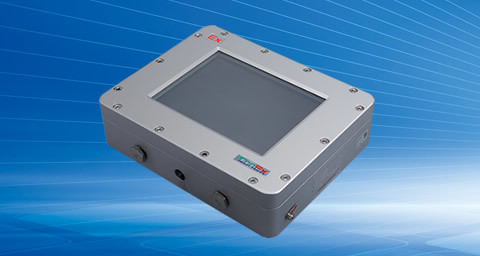
Explosion-proof HMIs are specialized devices designed to operate in environments where explosive gases or dust are present. They are built to prevent any potential ignition sources from igniting hazardous materials, thus protecting workers and equipment from catastrophic failures.
The Importance of Safety in Industry Environments
Safety is not merely a compliance issue; it’s a fundamental aspect of operational success. In industries such as oil and gas, chemical manufacturing, and pharmaceuticals, the presence of explosive materials necessitates rigorous safety measures. An explosion-proof HMI is one of the most effective tools to mitigate risks associated with these environments.
What Constitutes an Explosion Proof HMI?
An explosion-proof HMI is constructed with materials that can withstand high pressures and temperatures. These units are often sealed to prevent the ingress of flammable substances while ensuring that internal components remain safe during an explosion. Features typically include:
- **Robust housing**: Made from materials like aluminum or stainless steel.
- **Sealed screens**: To keep dust and moisture out.
- **Specialized components**: That meet rigorous safety standards.
Key Benefits of Explosion Proof HMIs
Implementing explosion-proof HMIs in industrial setups provides numerous benefits that enhance safety and efficiency.
1. Enhanced Worker Safety
Safety is the foremost concern in hazardous environments. Explosion-proof HMIs minimize the risk of ignition, thereby protecting workers from potential explosions. With improved safety features, companies can ensure a safer work environment, reducing the likelihood of accidents.
2. Improved Operational Efficiency
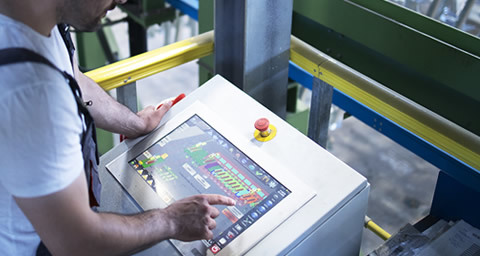
With reliable HMIs, operators can monitor production processes in real-time. This visibility allows for immediate responses to any irregularities, ensuring that operations run smoothly. The ability to quickly analyze data and make informed decisions can significantly enhance productivity.
3. Compliance with Industry Regulations
Many industries are subject to strict regulations regarding safety standards. Utilizing explosion-proof HMIs helps organizations comply with these regulations, avoiding costly fines and enhancing their reputation in the market.
4. Durability and Longevity
Explosion-proof HMIs are designed to withstand harsh conditions, including extreme temperatures, moisture, and dust. This durability leads to lower maintenance costs and longer lifespans, ultimately providing a better return on investment.
5. User-Friendly Interfaces
Modern explosion-proof HMIs are equipped with intuitive interfaces that facilitate easy operation. Users can quickly navigate through processes, ensuring efficient management and streamlined workflows.
Key Features to Look for in an Explosion Proof HMI
When selecting an explosion-proof HMI, certain features should be prioritized to ensure optimal performance and safety.
1. Certification and Compliance
Ensure that the HMI is certified by relevant safety organizations, such as ATEX, IECEx, or UL. These certifications indicate that the device meets specific safety standards for use in hazardous environments.
2. Display Quality
A high-resolution display is essential for clear visibility, even in poor lighting conditions. Look for HMIs with sunlight-readable screens and anti-glare coatings for optimal performance.
3. Connectivity Options
The ability to integrate with existing systems is crucial. Choose HMIs that offer multiple connectivity options, such as Ethernet, USB, and serial communication, to facilitate seamless data exchange.
4. Customization Capabilities
Every industrial setup is unique. Opt for HMIs that allow for customization of interfaces and functionalities to suit specific operational needs.
5. Robustness Against Environmental Factors
Consider HMIs that can withstand extreme temperatures, humidity, and exposure to chemicals. Refer to IP ratings that indicate the device's level of protection against dust and water.
Industries That Benefit from Explosion Proof HMIs
The application of explosion-proof HMIs spans various industries, each with its unique challenges and requirements.
1. Oil and Gas Industry
In this sector, the presence of flammable gases makes explosion-proof HMIs essential. These devices help monitor drilling operations, pipeline systems, and refining processes, ensuring safety and efficiency.
2. Chemical Manufacturing
Chemical plants handle volatile substances that pose significant risks. Explosion-proof HMIs facilitate real-time monitoring of chemical processes, reducing the likelihood of accidents.
3. Pharmaceutical Production
In pharmaceutical manufacturing, maintaining strict safety and quality standards is crucial. Explosion-proof HMIs ensure that production environments are closely monitored, protecting both workers and the integrity of the products.
4. Mining Operations
Mining often involves the presence of flammable dust and gases. Utilizing explosion-proof HMIs in mining operations enhances safety protocols and ensures efficient monitoring of machinery and processes.
5. Food Processing
In food processing plants, preventing contamination is vital. Explosion-proof HMIs help monitor production lines while maintaining the necessary safety standards required by the industry.
Implementation Challenges and Solutions
While the benefits of explosion-proof HMIs are clear, implementing these systems can present challenges.
1. Initial Cost Considerations
The upfront cost of explosion-proof HMIs can be higher than standard devices. However, the long-term savings from reduced accidents, compliance costs, and increased productivity can offset this initial investment.
2. Training Requirements
Employees may require training to operate advanced HMI systems effectively. Investing in comprehensive training programs can ensure that staff are well-versed in using these technologies efficiently.
3. Maintenance and Upkeep
Regular maintenance is necessary to ensure the longevity and performance of explosion-proof HMIs. Establishing a routine maintenance schedule can help identify potential issues before they become significant problems.
Future Trends in Explosion Proof HMIs
As technology continues to advance, explosion-proof HMIs are evolving to meet the needs of modern industrial setups.
1. Integration with IoT
The Internet of Things (IoT) is becoming increasingly prevalent in industrial applications. Future explosion-proof HMIs are likely to feature enhanced connectivity and integration capabilities with IoT devices, offering improved data analytics and insights.
2. Enhanced User Interfaces
As user experience becomes a priority, future HMIs will likely incorporate more sophisticated interfaces, including touchless controls and augmented reality features for enhanced interaction.
3. Advanced Data Analytics
The ability to analyze data in real-time will become more critical. Future explosion-proof HMIs may include advanced analytics capabilities to provide actionable insights and predictive maintenance alerts.
FAQ: Frequently Asked Questions
1. What is an explosion-proof HMI?
An explosion-proof HMI is a specialized device designed for use in hazardous environments where explosive gases or dust are present. It is built to prevent ignition sources and protect workers and equipment.
2. Why are explosion-proof HMIs necessary?
They are necessary to ensure safety in industrial environments where flammable materials are present. These devices help prevent accidents and comply with safety regulations.
3. How do I choose the right explosion-proof HMI for my operation?
Key factors to consider include certifications, display quality, connectivity options, customization capabilities, and robustness against environmental factors.
4. What industries benefit from using explosion-proof HMIs?
Industries such as oil and gas, chemical manufacturing, pharmaceuticals, mining, and food processing benefit significantly from explosion-proof HMIs.
5. What are the costs associated with explosion-proof HMIs?
While the upfront costs can be higher than standard HMIs, the long-term savings from improved safety and efficiency can justify the investment.
Conclusion
In conclusion, the integration of an **explosion-proof HMI** in industrial setups is not just a matter of compliance but a vital component of ensuring safety and efficiency. With their robust design, user-friendly interfaces, and ability to withstand harsh conditions, these devices are essential for optimizing operations in hazardous environments. By investing in explosion-proof HMIs, companies can enhance worker safety, improve productivity, and meet stringent industry regulations, ultimately leading to a more sustainable and profitable operation.
LATEST NEWS

Contact Us
7F, Bldg. 5A, Skyworth Innovation Valley, No. 1 Tangtou Rd., Shiyan, Bao’an District, Shenzhen, China 518108
Follow Us


Copyright © 2025 Shenzhen Xuyong Industry Co., Ltd. All Rights reserved.