
-
ProductAs the first company in the country to develop and produce explosion-proof touch screens, computers, HMIs, and related products, Xuyong has been a pioneer in industrial safety and innovation for over 20 years.
-
EquipmentAs the first company in the country to develop and produce explosion-proof touch screens, computers, HMIs, and related products, Xuyong has been a pioneer in industrial safety and innovation for over 20 years.
-
SolutionAs the first company in the country to develop and produce explosion-proof touch screens, computers, HMIs, and related products, Xuyong has been a pioneer in industrial safety and innovation for over 20 years.
-
AboutAs the first company in the country to develop and produce explosion-proof touch screens, computers, HMIs, and related products, Xuyong has been a pioneer in industrial safety and innovation for over 20 years.

The Role of ATEX Approved Monitors in Preventing Workplace Accidents
2026-11-20 12:32
The Role of ATEX Approved Monitors in Preventing Workplace Accidents
Understanding ATEX Standards and Their Importance
ATEX, which stands for "ATmosphères EXplosibles," refers to the European Union directives that stipulate strict guidelines for equipment used in potentially explosive environments. Designed to ensure safety, these directives outline the necessary precautions and standards that employers must meet when working in hazardous atmospheres, such as those found in industries like oil and gas, mining, and chemical manufacturing.
The importance of ATEX standards cannot be overstated. They help prevent workplace accidents resulting from explosions or fires caused by flammable gases and dust. By utilizing ATEX-approved monitors, organizations safeguard their employees while also ensuring compliance with legal requirements.
What Are ATEX Approved Monitors?
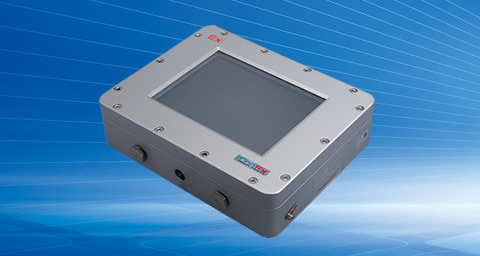
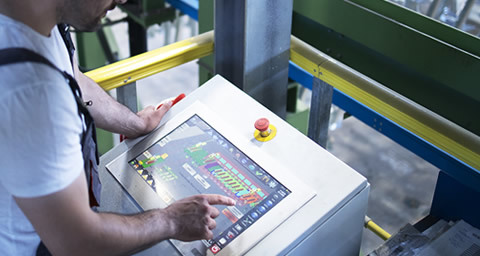
ATEX-approved monitors are specialized devices engineered to operate safely in hazardous environments. These monitors are equipped with high-quality components that can withstand explosive atmospheres without posing additional risks. They operate under stringent testing and certification processes to ensure that they can function effectively in challenging conditions.
Types of ATEX Approved Monitors
There are various types of ATEX-approved monitors, each designed for specific applications. Understanding these types can help organizations choose the right equipment for their safety needs.
1. Gas Detectors
Gas detectors are crucial for identifying the presence of combustible gases within the workplace. These monitors can detect gas leaks early, allowing for prompt action before an explosion occurs. They are essential in industries where flammable gases are prevalent.
2. Dust Monitors
Dust monitors are designed to measure particulate levels in the air. Excessive dust accumulation can lead to explosions, making these monitors vital in environments like grain silos or woodworking facilities. They help maintain air quality and ensure safe working conditions.
3. Temperature Monitors
Temperature monitors track the thermal conditions within a specific area. Overheating equipment can lead to fires or explosions, making temperature monitoring essential in preventing accidents. These monitors alert personnel to dangerous temperature fluctuations.
The Importance of Implementing ATEX Approved Monitors
Implementing ATEX-approved monitors is not just a matter of compliance; it is a proactive approach to workplace safety. The benefits of using these devices far outweigh the costs, and organizations that prioritize safety often experience fewer accidents and higher employee morale.
1. Early Detection of Hazards
One of the primary roles of ATEX-approved monitors is to provide early warnings of potential hazards. By detecting gas leaks, excessive dust, or abnormal temperature levels, these devices allow for immediate corrective actions to be taken. This early detection is crucial in preventing workplace accidents.
2. Regulatory Compliance
Compliance with ATEX regulations is mandatory for companies operating in hazardous environments. Failing to adhere to these standards can result in severe penalties, including fines and shutdowns. By utilizing ATEX-approved monitors, organizations demonstrate their commitment to safety and legal compliance.
3. Enhanced Employee Safety
Employee safety is paramount in any organization. By implementing ATEX-approved monitors, companies create a safer working environment, reducing the risk of accidents. This commitment to safety can lead to improved employee satisfaction and retention rates.
4. Cost Savings
While the initial investment in ATEX-approved monitors may seem significant, the long-term cost savings are considerable. Fewer accidents lead to reduced medical costs, lower insurance premiums, and less downtime. Over time, the savings from implementing these safety measures can far exceed the costs incurred.
How to Choose the Right ATEX Approved Monitor
Selecting the appropriate ATEX-approved monitor for your workplace requires careful consideration. Here are some key factors to keep in mind:
1. Understand Your Environment
Different environments pose varying risks. Assess your workplace to determine the specific hazards present, such as the types of gases or dust that may be present. Understanding your environment is essential for selecting the right monitor.
2. Evaluate Monitoring Needs
Consider your monitoring needs. Do you require a gas detector, dust monitor, or temperature monitor? Identifying specific requirements will help narrow down your options.
3. Check Certification
Ensure that any monitor you consider is certified for use in explosive atmospheres. Look for devices that comply with ATEX standards and have been rigorously tested for safety and reliability.
4. Consider Integration with Existing Systems
If your organization already employs safety systems or monitoring devices, consider how the new ATEX monitor will integrate with existing technology. This integration can streamline operations and improve overall safety management.
Best Practices for Using ATEX Approved Monitors
Once you have selected and installed ATEX-approved monitors, implementing best practices is crucial for maximizing their effectiveness.
1. Regular Maintenance and Calibration
Regular maintenance and calibration of monitors are essential for ensuring accurate readings. Create a maintenance schedule that includes routine checks and recalibration as needed. This practice helps guarantee that monitors function correctly and provide reliable data.
2. Employee Training
Investing in employee training is crucial for ensuring that staff understand how to use ATEX-approved monitors effectively. Training should cover the operation of the devices, interpretation of data, and appropriate responses to alerts.
3. Establish Emergency Protocols
Develop and communicate emergency protocols for responding to alerts generated by ATEX monitors. Employees should be aware of procedures to follow in case of a gas leak, dust accumulation, or temperature anomaly.
4. Continuous Monitoring and Data Analysis
Utilize the data generated by ATEX monitors for continuous monitoring and analysis. Regularly review the data to identify trends and potential areas for improvement. This information can inform safety strategies and help prevent future incidents.
Case Studies: Success Stories of ATEX Approved Monitors in Action
Examining real-life examples of organizations successfully implementing ATEX-approved monitors can provide valuable insights.
1. Oil and Gas Industry
In the oil and gas sector, one company implemented ATEX-approved gas detectors throughout their facility. As a result, they were able to detect gas leaks promptly, reducing their incident rate by 40%. This proactive approach not only improved safety but also enhanced their reputation within the industry.
2. Manufacturing Sector
A manufacturing plant faced issues with combustible dust. By installing dust monitors, they significantly reduced the risk of dust explosions. The data collected allowed them to implement better housekeeping practices, leading to a 30% decrease in workplace accidents.
FAQs About ATEX Approved Monitors
1. What does ATEX stand for?
ATEX stands for "ATmosphères EXplosibles," referring to European regulations governing equipment used in explosive atmospheres.
2. Why are ATEX approvals important?
ATEX approvals ensure that equipment is safe for use in hazardous environments, reducing the risk of explosions and enhancing workplace safety.
3. How can I ensure my monitor is ATEX certified?
You can verify ATEX certification by checking the product specifications provided by the manufacturer, as well as looking for official certification marks.
4. What types of monitors are available?
There are various types of ATEX-approved monitors, including gas detectors, dust monitors, and temperature monitors, each designed for specific environments and hazards.
5. How often should ATEX monitors be calibrated?
The frequency of calibration depends on the manufacturer's recommendations and the specific environment in which the monitor operates. Regular checks are essential for accurate readings.
Conclusion
ATEX-approved monitors play a pivotal role in preventing workplace accidents, particularly in industries that encounter hazardous environments. By ensuring compliance with ATEX standards and implementing these specialized devices, organizations can significantly enhance safety measures and protect their workforce. The investment in ATEX-approved monitors yields substantial benefits, including early hazard detection, regulatory compliance, and improved employee safety. As we strive for safer workplaces, the integration of ATEX-approved monitors is a vital step toward creating a secure working environment for all.
LATEST NEWS

Contact Us
7F, Bldg. 5A, Skyworth Innovation Valley, No. 1 Tangtou Rd., Shiyan, Bao’an District, Shenzhen, China 518108
Follow Us


Copyright © 2025 Shenzhen Xuyong Industry Co., Ltd. All Rights reserved.