
-
ProductAs the first company in the country to develop and produce explosion-proof touch screens, computers, HMIs, and related products, Xuyong has been a pioneer in industrial safety and innovation for over 20 years.
-
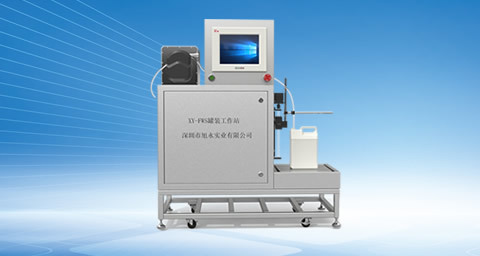
EquipmentAs the first company in the country to develop and produce explosion-proof touch screens, computers, HMIs, and related products, Xuyong has been a pioneer in industrial safety and innovation for over 20 years.
-
SolutionAs the first company in the country to develop and produce explosion-proof touch screens, computers, HMIs, and related products, Xuyong has been a pioneer in industrial safety and innovation for over 20 years.
-
AboutAs the first company in the country to develop and produce explosion-proof touch screens, computers, HMIs, and related products, Xuyong has been a pioneer in industrial safety and innovation for over 20 years.

Understanding Explosion-Proof Computers: Essential Insights for Industrial Applications
2026-09-29 10:11
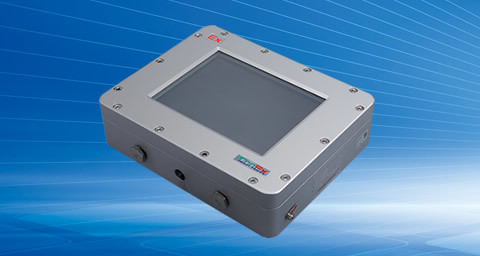
In industrial settings, particularly those involving hazardous materials or environments, the safety and reliability of equipment are paramount. This is where explosion-proof computers come into play. Designed to operate safely in environments where flammable gases, vapors, or dust may be present, explosion-proof computers are built to withstand extreme conditions while ensuring continuous operation.
Explosion-proof computers are typically housed in rugged enclosures that prevent the ingress of combustible dust and gases. These computers undergo rigorous testing and certification to meet specific safety standards, such as those established by the National Electrical Manufacturers Association (NEMA) or the International Electrotechnical Commission (IEC). The design and materials used in these computers not only protect the internal components but also minimize the risk of ignition in hazardous environments.
One of the key features of explosion-proof computers is their ability to operate in extreme temperature conditions. Many industrial applications require equipment that can function reliably in both high and low temperatures. Explosion-proof computers are often equipped with advanced cooling systems and thermal management technologies to ensure optimal performance without compromising safety.
In addition to environmental resilience, explosion-proof computers offer a range of connectivity options. This is crucial for industries that rely on data collection and real-time monitoring. Many models come with robust communication interfaces, including Ethernet, USB, and serial ports, enabling seamless integration with other industrial systems and devices. This connectivity is essential for applications such as process automation, remote monitoring, and data acquisition.
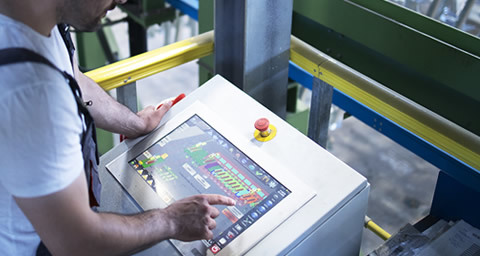
Moreover, the versatility of explosion-proof computers makes them suitable for various applications, including oil and gas exploration, chemical processing, mining, and wastewater treatment. Their durability and reliability ensure that they can withstand the rigors of these demanding environments while providing accurate data processing and user-friendly interfaces.
When selecting an explosion-proof computer, it's important to consider factors such as the specific classification of the hazardous area, the required processing power, and the necessary certifications. Understanding these parameters can help organizations choose the right equipment that meets safety regulations while enhancing operational efficiency.
In conclusion, explosion-proof computers play a critical role in ensuring safety and efficiency in hazardous industrial environments. By providing robust protection against potentially explosive conditions, these specialized computers enable industries to operate safely while maintaining high levels of productivity. Investing in quality explosion-proof computing solutions can significantly reduce risks and enhance overall operational capabilities.
Explosion-proof computers are typically housed in rugged enclosures that prevent the ingress of combustible dust and gases. These computers undergo rigorous testing and certification to meet specific safety standards, such as those established by the National Electrical Manufacturers Association (NEMA) or the International Electrotechnical Commission (IEC). The design and materials used in these computers not only protect the internal components but also minimize the risk of ignition in hazardous environments.
One of the key features of explosion-proof computers is their ability to operate in extreme temperature conditions. Many industrial applications require equipment that can function reliably in both high and low temperatures. Explosion-proof computers are often equipped with advanced cooling systems and thermal management technologies to ensure optimal performance without compromising safety.
In addition to environmental resilience, explosion-proof computers offer a range of connectivity options. This is crucial for industries that rely on data collection and real-time monitoring. Many models come with robust communication interfaces, including Ethernet, USB, and serial ports, enabling seamless integration with other industrial systems and devices. This connectivity is essential for applications such as process automation, remote monitoring, and data acquisition.
Moreover, the versatility of explosion-proof computers makes them suitable for various applications, including oil and gas exploration, chemical processing, mining, and wastewater treatment. Their durability and reliability ensure that they can withstand the rigors of these demanding environments while providing accurate data processing and user-friendly interfaces.
When selecting an explosion-proof computer, it's important to consider factors such as the specific classification of the hazardous area, the required processing power, and the necessary certifications. Understanding these parameters can help organizations choose the right equipment that meets safety regulations while enhancing operational efficiency.
In conclusion, explosion-proof computers play a critical role in ensuring safety and efficiency in hazardous industrial environments. By providing robust protection against potentially explosive conditions, these specialized computers enable industries to operate safely while maintaining high levels of productivity. Investing in quality explosion-proof computing solutions can significantly reduce risks and enhance overall operational capabilities.
LATEST NEWS

Contact Us
3F, Building B, Dingxin Technology Park, Honglang North 2nd Road, Bao'an District, Shenzhen, China
Follow Us


Copyright © 2025 Shenzhen Xuyong Industry Co., Ltd. All Rights reserved.