
-
ProductAs the first company in the country to develop and produce explosion-proof touch screens, computers, HMIs, and related products, Xuyong has been a pioneer in industrial safety and innovation for over 20 years.
-
EquipmentAs the first company in the country to develop and produce explosion-proof touch screens, computers, HMIs, and related products, Xuyong has been a pioneer in industrial safety and innovation for over 20 years.
-
SolutionAs the first company in the country to develop and produce explosion-proof touch screens, computers, HMIs, and related products, Xuyong has been a pioneer in industrial safety and innovation for over 20 years.
-
AboutAs the first company in the country to develop and produce explosion-proof touch screens, computers, HMIs, and related products, Xuyong has been a pioneer in industrial safety and innovation for over 20 years.

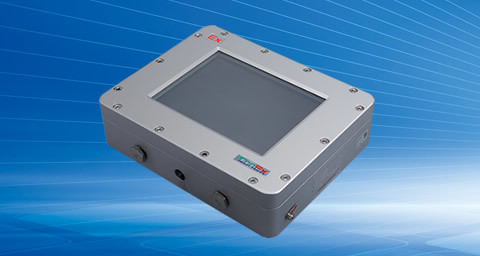
A Comprehensive Guide to Selecting the Ideal ATEX Approved Monitor for Your Specific Requirements
2026-09-14 12:40
A Comprehensive Guide to Selecting the Ideal ATEX Approved Monitor for Your Specific Requirements
In industries where explosive atmospheres are a possibility, choosing the right monitoring equipment is crucial for safety and efficiency. ATEX approved monitors are designed specifically for use in potentially explosive environments, ensuring compliance with strict safety regulations while delivering high performance. This guide provides a complete overview of the factors to consider when selecting the right ATEX approved monitor for your needs.
Understanding ATEX Certification and Its Importance
Before diving into the specifics of selecting an ATEX approved monitor, it's vital to understand what ATEX certification entails. ATEX stands for "ATmosphères EXplosibles," a European directive that sets safety standards for equipment used in explosive atmospheres. Monitors and other devices must pass rigorous testing to earn this certification, which assures users of their safety and reliability.
Key Components of ATEX Certification
1. **Zone Classification**: The ATEX directive classifies hazardous areas into zones based on the likelihood of explosive atmospheres. Understanding these zones helps in selecting the right equipment.
2. **Equipment Categories**: Equipment is classified into two categories based on its intended use and the level of safety required. Category 1 is for devices that can be used in areas with a constant risk, while Category 2 is for those in areas where risks are less frequent.
3. **Marking**: ATEX certified equipment will carry specific markings that indicate its compliance and suitability for the designated zones.
Key Factors to Consider When Choosing an ATEX Approved Monitor
When selecting an ATEX approved monitor, several factors come into play. These factors ensure that the equipment meets operational requirements while adhering to safety standards.
1. Type of Environment
Identify the specific environment in which the monitor will be used. Is it a chemical plant, oil refinery, or a mining site? Each environment has unique challenges and may require different types of monitoring equipment.
2. Zone Classification
Understanding the zone classification of your operational area is critical. Make sure to match the monitor’s ATEX category with the zone it will be used in. For instance, a Category 1 monitor is suitable for Zone 0 environments, whereas a Category 2 monitor is appropriate for Zone 1 and Zone 2.
3. Display and Usability
Consider the monitor's display quality and usability. A high-resolution display ensures clarity in challenging conditions. Additionally, intuitive interfaces and controls can enhance usability, allowing operators to respond quickly to potential hazards.
4. Connectivity Options
In today’s digital age, connectivity is crucial. Look for monitors that offer multiple connectivity options such as Bluetooth, Wi-Fi, or Ethernet to facilitate data sharing and real-time monitoring. This can be particularly useful for remote operations or integration with other safety systems.
5. Durability and Build Quality
Monitors used in hazardous environments must withstand tough conditions. Check for robust build quality, resistance to chemicals, and IP ratings indicating dust and water resistance. A durable monitor reduces the risk of failure and ensures longevity.
6. Compliance with Additional Standards
While ATEX certification is essential, consider other relevant standards like IECEx, which further validate the monitor's safety and performance. This multi-standard compliance can provide additional peace of mind.
7. Calibration and Maintenance Requirements
All monitoring equipment requires periodic calibration to ensure accuracy. Investigate the calibration process and maintenance requirements for the monitors you're considering. Opt for models that are easy to maintain to minimize downtime.
8. Budget Considerations
While quality should never be compromised, it's important to establish a budget. Evaluate the total cost of ownership, including initial purchase price, maintenance, and calibration costs. Some monitors may have a higher upfront cost but lower long-term maintenance expenses.
Popular Types of ATEX Approved Monitors
Understanding the various types of ATEX approved monitors available can help you narrow down your options. Here are some common types:
1. Gas Detectors
Gas detectors are essential for monitoring the presence of hazardous gases in the environment. Look for models that can detect multiple gases and provide real-time readings.
2. Temperature Monitors
In industries where temperature control is critical, ATEX approved temperature monitors ensure that processes stay within safe limits.
3. Pressure Monitors
Pressure monitors are vital in processes involving gases and liquids. They help prevent pressure build-up that could lead to explosive situations.
4. Vibration Monitors
For machinery that operates in hazardous environments, vibration monitors can detect abnormalities that may indicate impending failure, thus preventing potential accidents.
How to Evaluate ATEX Approved Monitors
With multiple options available, evaluating potential monitors is essential to finding the right fit.
1. Conduct a Risk Assessment
Perform a thorough risk assessment of the area where the monitor will be utilized. This will help identify potential hazards and determine the necessary features of the monitor.
2. Compare Features and Specifications
Create a comparison chart to evaluate different monitors based on their features, specifications, and pricing. This visual aid can simplify your decision-making process.
3. Read Reviews and Case Studies
Look for customer reviews and case studies pertaining to the monitors you're considering. These insights can provide valuable real-world information about performance and reliability.
4. Consult with Experts
If you are uncertain about your choices, consult with safety equipment specialists or industry experts. They can offer tailored recommendations based on your specific needs.
Frequently Asked Questions (FAQs)
1. What does ATEX stand for?
ATEX stands for "ATmosphères EXplosibles," referring to the European directive governing equipment used in explosive atmospheres.
2. How can I determine the correct ATEX category for my monitor?
The correct ATEX category depends on the zone classification of your working environment. Zone 0 requires Category 1 equipment, while Zone 1 and 2 require Category 2 and 3 equipment, respectively.
3. Are all ATEX approved monitors expensive?
Pricing can vary widely based on features, specifications, and manufacturers. It's essential to evaluate the total cost of ownership rather than just the initial price.
4. How often should ATEX monitors be calibrated?
Calibration frequency depends on the manufacturer's guidelines and the specific application. Regular checks are recommended to ensure ongoing accuracy and reliability.
5. What should I do if my ATEX monitor fails?
If your monitor fails, consult the manufacturer’s guidelines for troubleshooting. Ensure regular maintenance and calibration to minimize the risk of failure.
Conclusion
Selecting the right ATEX approved monitor is a crucial step in ensuring safety and efficiency in hazardous environments. By understanding ATEX certification, evaluating your specific needs, and considering key factors such as usability, durability, and connectivity, you can make an informed decision. The right monitor not only enhances operational safety but also contributes to better overall performance in challenging conditions. Always strive for quality, compliance, and reliability to protect both personnel and assets in explosive atmospheres.
LATEST NEWS

Contact Us
3F, Building B, Dingxin Technology Park, Honglang North 2nd Road, Bao'an District, Shenzhen, China
Follow Us


Copyright © 2025 Shenzhen Xuyong Industry Co., Ltd. All Rights reserved.