
-
ProductAs the first company in the country to develop and produce explosion-proof touch screens, computers, HMIs, and related products, Xuyong has been a pioneer in industrial safety and innovation for over 20 years.
-
EquipmentAs the first company in the country to develop and produce explosion-proof touch screens, computers, HMIs, and related products, Xuyong has been a pioneer in industrial safety and innovation for over 20 years.
-
SolutionAs the first company in the country to develop and produce explosion-proof touch screens, computers, HMIs, and related products, Xuyong has been a pioneer in industrial safety and innovation for over 20 years.
-
AboutAs the first company in the country to develop and produce explosion-proof touch screens, computers, HMIs, and related products, Xuyong has been a pioneer in industrial safety and innovation for over 20 years.

Understanding the Importance of ATEX Approved Monitors in Hazardous Environments
2026-02-24 16:50
Understanding the Importance of ATEX Approved Monitors in Hazardous Environments
Table of Contents
- What Are ATEX Approved Monitors?
- Significance of ATEX Certification in Monitoring Devices
- Hazardous Environments and Their Challenges
- Key Features of ATEX Approved Monitors
- Benefits of Using ATEX Monitors in Industrial Settings
- Industries Requiring ATEX Approved Monitors
- Regulatory Compliance and ATEX Standards
- The Future of ATEX Technology in Hazardous Monitoring
- Conclusion
- FAQs
What Are ATEX Approved Monitors?
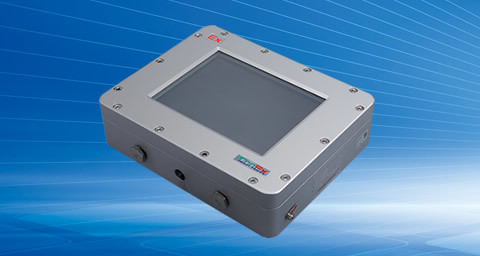
ATEX approved monitors are specialized devices designed for use in environments where explosive atmospheres may occur. The term "ATEX" originates from the French term "ATmosphères EXplosibles," and refers to the European directive that mandates safety measures for equipment used in potentially hazardous locations. These monitors are engineered to prevent ignition sources and ensure the safety of personnel and equipment in industries such as oil and gas, chemicals, and pharmaceuticals.
Significance of ATEX Certification in Monitoring Devices
ATEX certification is crucial for any monitoring device intended for use in hazardous areas. It guarantees that the equipment meets stringent safety standards to operate safely without causing ignition in explosive atmospheres. The significance of ATEX certification lies in its rigorous testing processes, which evaluate equipment under various scenarios to ensure reliability and safety. This certification not only protects lives but also secures assets and minimizes operational downtime caused by accidents.
Hazardous Environments and Their Challenges
Hazardous environments present unique challenges that require specialized solutions. These may include explosive gases, flammable dust, and other hazardous conditions that pose significant risks to workers and operations. The challenges associated with these environments include:
- Risk of Explosion: The potential for explosive reactions necessitates the use of ATEX approved equipment to mitigate risks.
- Environmental Factors: Extreme temperatures, humidity, and corrosive substances can affect the performance of monitoring devices.
- Operational Efficiency: Maintaining productivity while ensuring safety is a delicate balance that requires reliable monitoring solutions.
Key Features of ATEX Approved Monitors
When selecting ATEX approved monitors, understanding their key features is essential. These features often include:
- Explosion-Proof Design: Built to withstand harsh conditions and prevent ignition.
- Robust Materials: Constructed from durable, corrosion-resistant materials suitable for industrial environments.
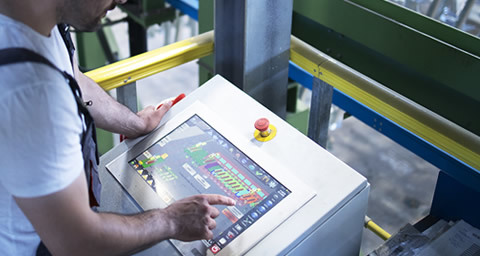
- Real-Time Monitoring: Providing immediate data on environmental conditions to facilitate prompt decision-making.
- Compatibility: Designed to integrate seamlessly with existing safety and monitoring systems.
Benefits of Using ATEX Monitors in Industrial Settings
The adoption of ATEX approved monitors offers numerous advantages:
- Enhanced Safety: By preventing ignition sources, these monitors significantly reduce the risk of explosions.
- Compliance Assurance: Utilizing ATEX certified equipment ensures adherence to safety regulations and standards.
- Operational Reliability: These devices provide consistent performance, ensuring uninterrupted operations.
- Cost Savings: Reducing accidents and downtime translates to lower operational costs in the long term.
Industries Requiring ATEX Approved Monitors
Several industries are mandated to utilize ATEX approved monitors due to the nature of their operations:
- Oil and Gas: Monitoring for flammable gases and vapors is critical in extraction and refining processes.
- Chemical Manufacturing: Hazardous materials can create explosive environments; hence, stringent monitoring is essential.
- Pharmaceuticals: Ensuring a safe environment for drug manufacturing requires effective monitoring of volatile substances.
- Mining: The potential for explosive gas buildup necessitates the use of specialized monitoring equipment.
Regulatory Compliance and ATEX Standards
Compliance with ATEX standards is mandatory for any organization operating in hazardous environments. The ATEX directive outlines the essential health and safety requirements that equipment must meet, ensuring it can operate safely without posing a risk. Companies are required to maintain documentation proving compliance, undergo regular inspections, and provide training for personnel on the proper use of ATEX approved monitors.
The Future of ATEX Technology in Hazardous Monitoring
The future of ATEX technology looks promising as advancements continue to shape the landscape of hazardous monitoring. Innovations such as IoT integration, wireless communication, and enhanced sensor technology are paving the way for smarter, more efficient monitoring solutions. These developments will not only improve safety but also enhance operational efficiency in industries relying on ATEX approved equipment.
Conclusion
Understanding the importance of ATEX approved monitors in hazardous environments is essential for ensuring safety and compliance in industries where the risk of explosion is prevalent. These monitors not only protect personnel and assets but also contribute to operational efficiency and regulatory adherence. As technology continues to evolve, the role of ATEX approved monitors will only become more significant, underscoring the need for organizations to invest in reliable and certified equipment.
FAQs
1. What does ATEX stand for?
ATEX stands for "ATmosphères EXplosibles," which refers to the European directive concerning equipment used in potentially explosive atmospheres.
2. Why is ATEX certification important?
ATEX certification ensures that equipment meets strict safety standards, preventing ignition sources that could lead to explosions in hazardous environments.
3. Which industries require ATEX approved monitors?
Industries such as oil and gas, chemicals, pharmaceuticals, and mining are required to use ATEX approved monitors due to the hazardous nature of their operations.
4. How do ATEX monitors enhance workplace safety?
ATEX monitors enhance safety by providing real-time data on environmental conditions, helping prevent explosive incidents and ensuring compliance with safety regulations.
5. What advancements can we expect in ATEX technology?
Future advancements in ATEX technology may include IoT integration, wireless communication, and improved sensor technologies, enhancing monitoring capabilities and operational efficiency.
LATEST NEWS

Contact Us
3F, Building B, Dingxin Technology Park, Honglang North 2nd Road, Bao'an District, Shenzhen, China
Follow Us


Copyright © 2025 Shenzhen Xuyong Industry Co., Ltd. All Rights reserved.