
-
ProductAs the first company in the country to develop and produce explosion-proof touch screens, computers, HMIs, and related products, Xuyong has been a pioneer in industrial safety and innovation for over 20 years.
-
EquipmentAs the first company in the country to develop and produce explosion-proof touch screens, computers, HMIs, and related products, Xuyong has been a pioneer in industrial safety and innovation for over 20 years.
-
SolutionAs the first company in the country to develop and produce explosion-proof touch screens, computers, HMIs, and related products, Xuyong has been a pioneer in industrial safety and innovation for over 20 years.
-
AboutAs the first company in the country to develop and produce explosion-proof touch screens, computers, HMIs, and related products, Xuyong has been a pioneer in industrial safety and innovation for over 20 years.

Enhancing Safety: The Role of Explosion Proof HMIs in Hazardous Areas
2026-01-17 12:20
Enhancing Safety: The Role of Explosion Proof HMIs in Hazardous Areas
Table of Contents
- Understanding Hazardous Areas and Their Risks
- What Are Explosion Proof HMIs?
- The Importance of Safety in Industry Environments
- Key Features of Explosion Proof HMIs
- Durability and Resistance
- Temperature Control
- Sealing and Ingress Protection
- Advanced User Interfaces
- Applications of Explosion Proof HMIs
- Oil and Gas Industry
- Chemical Manufacturing
- Mining Operations
- Pharmaceutical Production
- Benefits of Implementing Explosion Proof HMIs
- Enhanced Safety Standards
- Operational Efficiency
- Compliance with Regulations
- Cost-Effectiveness
- Choosing the Right Explosion Proof HMI
- Assessing Your Industry Needs
- Evaluating Manufacturer Credentials
- Understanding Certification Standards
- Future Trends in Explosion Proof HMI Technology
- FAQs about Explosion Proof HMIs
Understanding Hazardous Areas and Their Risks
Hazardous areas are environments where flammable gases, vapors, or dust can be present in quantities that could ignite and cause explosions or fires. These risks are prevalent in various industries, from oil and gas to chemical manufacturing. Understanding the nature of these hazards is essential for implementing effective safety measures, including the use of explosion-proof technologies like HMIs.
What Are Explosion Proof HMIs?
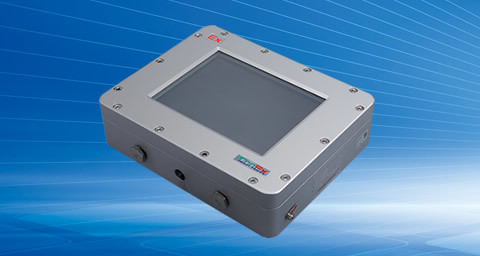
Explosion-proof HMIs are specialized control interfaces designed to operate safely in hazardous environments. These devices are engineered to prevent the ignition of explosive atmospheres by containing any potential explosions within the unit itself. This capability is crucial for maintaining safety in industries that deal with volatile substances.
The Importance of Safety in Industry Environments
Safety in industrial settings cannot be overstated. With the potential for catastrophic accidents, organizations must prioritize safety protocols to protect employees, equipment, and the surrounding environment. Implementing explosion-proof HMIs is a proactive step toward reinforcing safety measures and ensuring regulatory compliance.
Key Features of Explosion Proof HMIs
Durability and Resistance
Explosion-proof HMIs are constructed from robust materials that can withstand harsh conditions. These devices are built to endure impacts, vibrations, and extreme temperatures, making them ideal for demanding industrial applications.
Temperature Control
Many explosion-proof HMIs come equipped with temperature control features to prevent overheating. This is especially important in environments where high ambient temperatures may otherwise compromise the functionality of standard devices.
Sealing and Ingress Protection
Effective sealing is a hallmark of explosion-proof design. These HMIs feature high levels of ingress protection (IP ratings) to prevent dust, moisture, and other contaminants from entering the unit, which could otherwise lead to failures or safety hazards.
Advanced User Interfaces
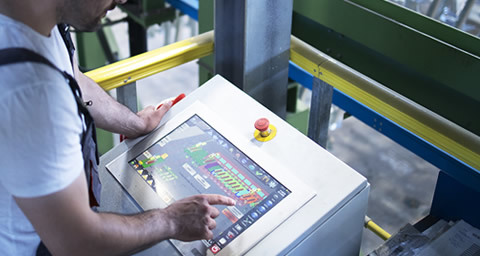
Despite their robust construction, explosion-proof HMIs are designed with user experience in mind. Modern interfaces often include touchscreens, intuitive layouts, and customizable settings to facilitate ease of use even in high-pressure situations.
Applications of Explosion Proof HMIs
Oil and Gas Industry
In the oil and gas sector, the presence of flammable gases makes explosion-proof HMIs essential. These devices allow operators to monitor and control processes safely, reducing the risk of ignition.
Chemical Manufacturing
Chemical plants often handle volatile substances that pose significant explosion risks. Explosion-proof HMIs enable real-time monitoring of production processes, helping to ensure safety and compliance with industry regulations.
Mining Operations
Mining operations frequently involve the use of explosives and the handling of flammable materials. HMIs designed for explosive atmospheres play a crucial role in maintaining operational safety and efficiency.
Pharmaceutical Production
In the pharmaceutical industry, certain processes may create explosive atmospheres. Utilizing explosion-proof HMIs is an important measure for safeguarding both personnel and products.
Benefits of Implementing Explosion Proof HMIs
Enhanced Safety Standards
By employing explosion-proof HMIs, organizations can significantly enhance their safety standards, ensuring that both workers and equipment are protected from potential hazards.
Operational Efficiency
With reliable HMIs in place, industrial operators can manage processes more effectively, reducing downtime and increasing productivity.
Compliance with Regulations
Many industries are subject to strict regulations regarding safety equipment. Utilizing explosion-proof HMIs helps organizations meet these requirements, minimizing the risk of penalties or legal issues.
Cost-Effectiveness
While the initial investment in explosion-proof HMIs may be substantial, the long-term savings from reduced accidents, increased efficiency, and lower insurance premiums can make them a cost-effective choice.
Choosing the Right Explosion Proof HMI
Assessing Your Industry Needs
Before selecting an explosion-proof HMI, it's vital to assess the specific needs of your industry. Consider factors such as the types of hazards present, the operating environment, and user requirements.
Evaluating Manufacturer Credentials
Not all manufacturers are created equal. It's important to choose a reputable company with a track record of producing reliable, high-quality explosion-proof HMIs.
Understanding Certification Standards
Look for HMIs that meet or exceed industry certification standards, such as ATEX, IECEx, or UL certifications. These certifications ensure that the devices have been tested and validated for safety in hazardous environments.
Future Trends in Explosion Proof HMI Technology
As industries evolve, so does technology. The future of explosion-proof HMIs may include advancements in wireless connectivity, improved user interfaces, and enhanced data collection capabilities. Organizations must stay informed about these trends to ensure they remain competitive and compliant.
FAQs about Explosion Proof HMIs
1. What is the primary function of explosion-proof HMIs?
Explosion-proof HMIs are designed to operate safely in hazardous environments, preventing the ignition of explosive atmospheres by containing potential explosions within the unit.
2. How are explosion-proof HMIs tested for safety?
These devices undergo rigorous testing to meet industry standards and certifications, ensuring they can withstand conditions that could lead to explosions.
3. Can explosion-proof HMIs be used in all hazardous environments?
While designed for hazardous areas, it is important to select HMIs that are suitable for the specific type of hazards present in your environment.
4. What are the key features to look for in an explosion-proof HMI?
Key features include durability, temperature control, sealing, ingress protection ratings, and advanced user interfaces.
5. How can implementing explosion-proof HMIs benefit my organization?
Benefits include enhanced safety, improved operational efficiency, compliance with regulations, and long-term cost savings.
Conclusion
Explosion-proof HMIs play a critical role in enhancing safety in hazardous areas across various industries. By understanding the risks associated with hazardous environments and implementing robust safety measures, organizations can protect their personnel and assets while maintaining efficiency. Choosing the right explosion-proof HMI can make a significant difference in operational safety and compliance, ultimately contributing to the overall success of the business. Investing in this technology is not just a regulatory requirement; it is a commitment to a culture of safety that prioritizes the well-being of everyone involved.
LATEST NEWS

Contact Us
7F, Bldg. 5A, Skyworth Innovation Valley, No. 1 Tangtou Rd., Shiyan, Bao’an District, Shenzhen, China 518108
Follow Us


Copyright © 2025 Shenzhen Xuyong Industry Co., Ltd. All Rights reserved.