
-
ProductAs the first company in the country to develop and produce explosion-proof touch screens, computers, HMIs, and related products, Xuyong has been a pioneer in industrial safety and innovation for over 20 years.
-
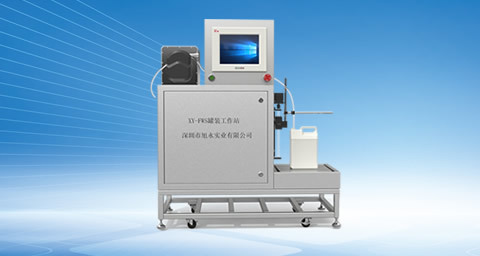
EquipmentAs the first company in the country to develop and produce explosion-proof touch screens, computers, HMIs, and related products, Xuyong has been a pioneer in industrial safety and innovation for over 20 years.
-
SolutionAs the first company in the country to develop and produce explosion-proof touch screens, computers, HMIs, and related products, Xuyong has been a pioneer in industrial safety and innovation for over 20 years.
-
AboutAs the first company in the country to develop and produce explosion-proof touch screens, computers, HMIs, and related products, Xuyong has been a pioneer in industrial safety and innovation for over 20 years.

Understanding the Advanced Technology Behind Explosion Proof Computers
2026-09-04 11:40
Understanding the Advanced Technology Behind Explosion Proof Computers
Table of Contents
- 1. Introduction: The Vital Role of Explosion Proof Computers
- 2. What Are Explosion Proof Computers?
- 3. Why Are Explosion Proof Computers Essential?
- 4. Key Features and Technology Behind Explosion Proof Computers
- 4.1 Design and Materials
- 4.2 Certifications and Standards
- 4.3 Thermal Management Systems
- 4.4 Communication and Connectivity
- 5. Applications in Various Industries
- 6. Maintenance and Care for Explosion Proof Computers
- 7. Future Trends in Explosion Proof Technology
- 8. FAQs
- 9. Conclusion: Embracing Safety and Efficiency
1. Introduction: The Vital Role of Explosion Proof Computers
In industries where flammable gases, vapors, or dust are prevalent, the risk of explosions poses a significant threat to both personnel and equipment. Explosion proof computers serve as critical components in ensuring safety and operational efficiency in such hazardous environments. These specialized devices are designed to withstand extreme conditions and prevent ignition of explosive substances, making them indispensable across various sectors including oil and gas, pharmaceuticals, and mining.
2. What Are Explosion Proof Computers?
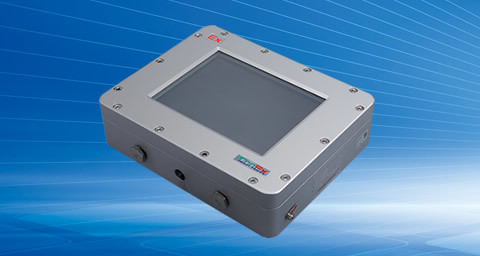
Explosion proof computers are ruggedized computing devices specifically engineered to operate safely in potentially explosive atmospheres. Unlike standard computers, which can easily ignite flammable materials, explosion proof computers are built to contain any internal explosion and prevent the escape of flames or sparks, thereby safeguarding the surrounding environment. These units are typically housed in robust enclosures that protect sensitive components from damage while ensuring reliable performance under adverse conditions.
3. Why Are Explosion Proof Computers Essential?
The significance of explosion proof computers cannot be overstated. They play a crucial role in mitigating risks associated with explosive environments. By integrating advanced technology and adhering to stringent safety regulations, these devices:
- **Enhance Operational Safety**: Prevent accidents that could jeopardize worker safety and lead to costly production downtimes.
- **Increase Efficiency**: Enable real-time data processing and monitoring, improving overall operational efficiency.
- **Facilitate Compliance**: Ensure adherence to industry standards and regulations, thus avoiding legal ramifications and enhancing organizational reputation.
- **Support Remote Operations**: Allow for remote monitoring and diagnostics, reducing the need for personnel to enter hazardous areas.
4. Key Features and Technology Behind Explosion Proof Computers
To fully appreciate explosion proof computers, it’s essential to understand the technology that underpins their design and operation. These devices incorporate several key features that together ensure their reliability and safety.
4.1 Design and Materials
The design of explosion proof computers is centered around durability and safety. Key considerations include:
- **Robust Enclosures**: Typically made from materials like aluminum or stainless steel, these enclosures are built to withstand impact, corrosion, and extreme temperatures.
- **Sealing Technologies**: Advanced sealing techniques are employed to prevent dust and moisture ingress, protecting internal components from environmental hazards.
- **Vibration and Shock Resistance**: Explosion proof computers must endure vibrations and shocks, particularly in industries like mining and oil drilling. Specialized mounts and reinforced designs help mitigate these impacts.
4.2 Certifications and Standards
Compliance with industry standards is critical for explosion proof computers. Key certifications include:
- **ATEX (ATmosphères EXplosibles)**: A European directive ensuring that equipment is safe for use in explosive atmospheres.
- **IECEx (International Electrotechnical Commission Explosive)**: An international certification system for explosive atmospheres.
- **Class I, Division 1 & Division 2**: North American standards that categorize environments based on the presence of flammable gases.
Understanding these certifications helps users choose the right equipment for their specific applications.
4.3 Thermal Management Systems
Thermal management is another crucial aspect of explosion proof computer technology. Effective heat dissipation prevents overheating and potential failure. These systems often include:
- **Passive Cooling Solutions**: Utilizing natural convection and radiation to dissipate heat without the need for fans, which could introduce ignition sources.
- **Heat Exchangers**: In some designs, heat exchangers help maintain optimal operating temperatures without compromising safety.
4.4 Communication and Connectivity
Modern explosion proof computers are equipped with advanced communication capabilities to ensure seamless integration into existing systems. Features include:
- **Wireless Communication**: Options for Wi-Fi and Bluetooth connectivity, enabling data transfer without physical connections.
- **Industry Protocol Support**: Compatibility with protocols like Modbus, Profibus, and Ethernet/IP, allowing for effective communication with other industrial devices.
5. Applications in Various Industries
Explosion proof computers find applications in a wide range of industries, each with unique requirements. Key sectors include:
- **Oil and Gas**: Used for monitoring drilling operations, managing logistics, and ensuring safety in refineries.
- **Pharmaceuticals**: Essential for maintaining compliance with safety regulations in production environments.
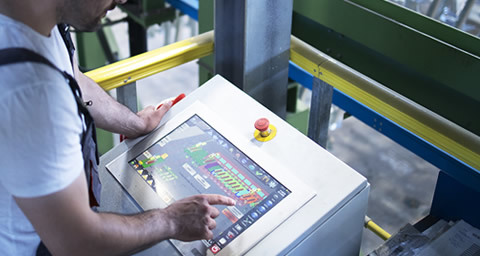
- **Mining and Tunneling**: Employed in harsh environments for data collection, monitoring, and operational control.
- **Chemical Processing**: Facilitating safe operations in facilities where flammable chemicals are handled.
Each of these industries relies on explosion proof computers to enhance safety, improve efficiency, and ensure regulatory compliance.
6. Maintenance and Care for Explosion Proof Computers
Proper maintenance is vital to ensure the longevity and reliability of explosion proof computers. Key practices include:
- **Regular Inspections**: Conducting routine inspections to identify signs of wear or damage to the protective enclosures.
- **Software Updates**: Keeping firmware and software updated to protect against vulnerabilities and enhance functionality.
- **Cleaning Procedures**: Implementing appropriate cleaning methods to prevent dust accumulation while avoiding damage to seals and enclosures.
A proactive maintenance approach helps mitigate risks and ensure optimal performance in hazardous conditions.
7. Future Trends in Explosion Proof Technology
As technology evolves, so does the landscape of explosion proof computers. Future trends may include:
- **Integration with IoT**: The Internet of Things (IoT) is set to revolutionize explosion proof technology, enabling smarter devices that can communicate data in real time for better decision-making.
- **Enhanced AI Capabilities**: Machine learning algorithms could be implemented to predict failures before they occur, enhancing safety and efficiency.
- **Sustainability Initiatives**: As industries increasingly focus on sustainability, explosion proof computers may feature eco-friendly materials and energy-efficient designs.
These advancements promise to further enhance the performance and safety of explosion proof computers, ensuring their relevance in the future.
8. FAQs
1. What industries commonly use explosion proof computers?
Explosion proof computers are commonly used in industries such as oil and gas, pharmaceuticals, mining, and chemical processing, where explosive atmospheres may be present.
2. How do explosion proof computers differ from standard computers?
Explosion proof computers are specifically designed to prevent ignition of flammable materials, featuring robust enclosures, special sealing, and compliance with safety standards.
3. What certifications should I look for in explosion proof computers?
Key certifications include ATEX, IECEx, and North American Class I Division ratings, ensuring that the devices are safe for use in explosive environments.
4. Can explosion proof computers connect wirelessly?
Yes, many explosion proof computers support wireless communication options like Wi-Fi and Bluetooth, facilitating data transfer without physical connections.
5. What maintenance practices are essential for explosion proof computers?
Regular inspections, software updates, and proper cleaning procedures are vital to ensure the longevity and reliability of explosion proof computers.
9. Conclusion: Embracing Safety and Efficiency
In conclusion, explosion proof computers represent a significant advancement in technology designed for safety in hazardous environments. Their specialized features, adherence to stringent standards, and versatility across various industries underscore their importance in today’s industrial landscape. As technology continues to evolve, we can expect further enhancements that will ensure these critical devices remain at the forefront of safety and efficiency in explosive atmospheres. Embracing this technology not only protects workers and assets but also bolsters operational productivity and compliance across the board.
LATEST NEWS

Contact Us
7F, Bldg. 5A, Skyworth Innovation Valley, No. 1 Tangtou Rd., Shiyan, Bao’an District, Shenzhen, China 518108
Follow Us


Copyright © 2025 Shenzhen Xuyong Industry Co., Ltd. All Rights reserved.