
-
ProductAs the first company in the country to develop and produce explosion-proof touch screens, computers, HMIs, and related products, Xuyong has been a pioneer in industrial safety and innovation for over 20 years.
-
EquipmentAs the first company in the country to develop and produce explosion-proof touch screens, computers, HMIs, and related products, Xuyong has been a pioneer in industrial safety and innovation for over 20 years.
-
SolutionAs the first company in the country to develop and produce explosion-proof touch screens, computers, HMIs, and related products, Xuyong has been a pioneer in industrial safety and innovation for over 20 years.
-
AboutAs the first company in the country to develop and produce explosion-proof touch screens, computers, HMIs, and related products, Xuyong has been a pioneer in industrial safety and innovation for over 20 years.

Essential Guide to ATEX Approved Monitors for Safety and Protection
2026-08-20 12:10
In industries where flammable gases, vapors, or dust may be present, safety is of paramount importance. One critical component to ensure a secure working environment is the use of ATEX approved monitors. ATEX, which stands for "Atmosphères Explosibles," refers to the European directive that outlines safety requirements for equipment used in potentially explosive atmospheres.
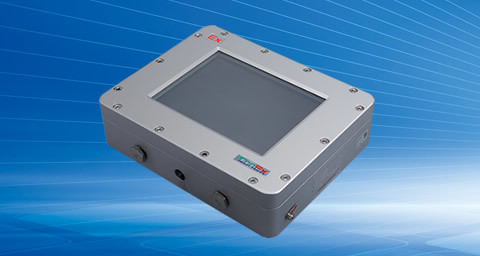
ATEX approved monitors are specifically designed to operate safely in these hazardous zones. They are built to withstand challenging conditions, where conventional electronic devices could pose serious risks. These monitors are essential in various settings, including oil and gas facilities, chemical plants, and any other environment where the risk of explosion is present.
When selecting an ATEX approved monitor, there are several factors to consider. First and foremost, ensure that the monitor is classified according to the ATEX zone it will be used in. The ATEX classification system designates different zones based on the likelihood of explosive atmospheres occurring. Monitors must meet the necessary requirements for the zone in which they will be placed, ensuring their safe operation.
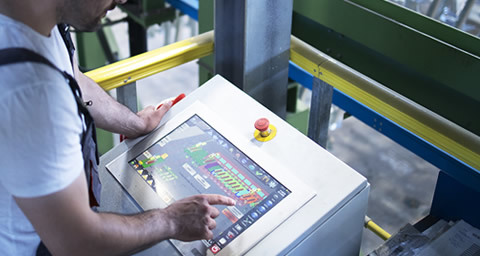
Another critical aspect is the monitor's display capabilities. An effective ATEX approved monitor should offer clear visibility, even in extreme lighting conditions. Look for features such as high brightness displays and anti-glare screens that will enhance readability in various environments. Additionally, consider the size and resolution of the monitor, as these factors can impact the ease of viewing critical data.
Connectivity is also vital in today’s interconnected workplaces. Choose ATEX approved monitors that offer robust communication options, allowing for seamless integration with existing systems. Wireless capabilities, if available, can provide flexibility in monitoring and ensure that data can be transferred without the need for potentially hazardous wiring.
Furthermore, durability and ease of maintenance are crucial in selecting an ATEX approved monitor. These devices should be constructed from high-quality, rugged materials that can withstand harsh chemicals, extreme temperatures, and mechanical impacts. Regular maintenance is essential to ensure ongoing compliance with safety standards, so choose monitors that are easy to clean and service.
In conclusion, ATEX approved monitors play a vital role in ensuring safety and protection in hazardous environments. By carefully considering their classification, display capabilities, connectivity, and durability, businesses can select the right monitoring solutions that enhance workplace safety and comply with regulatory standards. Investing in these specialized devices not only safeguards lives but also contributes to the overall efficiency of operations within high-risk industries.
ATEX approved monitors are specifically designed to operate safely in these hazardous zones. They are built to withstand challenging conditions, where conventional electronic devices could pose serious risks. These monitors are essential in various settings, including oil and gas facilities, chemical plants, and any other environment where the risk of explosion is present.
When selecting an ATEX approved monitor, there are several factors to consider. First and foremost, ensure that the monitor is classified according to the ATEX zone it will be used in. The ATEX classification system designates different zones based on the likelihood of explosive atmospheres occurring. Monitors must meet the necessary requirements for the zone in which they will be placed, ensuring their safe operation.
Another critical aspect is the monitor's display capabilities. An effective ATEX approved monitor should offer clear visibility, even in extreme lighting conditions. Look for features such as high brightness displays and anti-glare screens that will enhance readability in various environments. Additionally, consider the size and resolution of the monitor, as these factors can impact the ease of viewing critical data.
Connectivity is also vital in today’s interconnected workplaces. Choose ATEX approved monitors that offer robust communication options, allowing for seamless integration with existing systems. Wireless capabilities, if available, can provide flexibility in monitoring and ensure that data can be transferred without the need for potentially hazardous wiring.
Furthermore, durability and ease of maintenance are crucial in selecting an ATEX approved monitor. These devices should be constructed from high-quality, rugged materials that can withstand harsh chemicals, extreme temperatures, and mechanical impacts. Regular maintenance is essential to ensure ongoing compliance with safety standards, so choose monitors that are easy to clean and service.
In conclusion, ATEX approved monitors play a vital role in ensuring safety and protection in hazardous environments. By carefully considering their classification, display capabilities, connectivity, and durability, businesses can select the right monitoring solutions that enhance workplace safety and comply with regulatory standards. Investing in these specialized devices not only safeguards lives but also contributes to the overall efficiency of operations within high-risk industries.
LATEST NEWS

Contact Us
7F, Bldg. 5A, Skyworth Innovation Valley, No. 1 Tangtou Rd., Shiyan, Bao’an District, Shenzhen, China 518108
Follow Us


Copyright © 2025 Shenzhen Xuyong Industry Co., Ltd. All Rights reserved.