
-
ProductAs the first company in the country to develop and produce explosion-proof touch screens, computers, HMIs, and related products, Xuyong has been a pioneer in industrial safety and innovation for over 20 years.
-
EquipmentAs the first company in the country to develop and produce explosion-proof touch screens, computers, HMIs, and related products, Xuyong has been a pioneer in industrial safety and innovation for over 20 years.
-
SolutionAs the first company in the country to develop and produce explosion-proof touch screens, computers, HMIs, and related products, Xuyong has been a pioneer in industrial safety and innovation for over 20 years.
-
AboutAs the first company in the country to develop and produce explosion-proof touch screens, computers, HMIs, and related products, Xuyong has been a pioneer in industrial safety and innovation for over 20 years.

Why Your Workplace Needs an ATEX Approved Monitor for Maximum Safety
2026-07-26 11:50
Why Your Workplace Needs an ATEX Approved Monitor for Maximum Safety
Table of Contents
- Understanding ATEX Standards
- The Importance of Safety in Hazardous Environments
- What is an ATEX Approved Monitor?
- Benefits of ATEX Monitors
- How ATEX Monitors Work
- Choosing the Right ATEX Monitor for Your Workplace
- Implementation and Integration of ATEX Monitors
- Common Questions About ATEX Monitors
- Conclusion
Understanding ATEX Standards
ATEX, short for "Atmosphères Explosibles," refers to the European Union regulations that govern equipment and protective systems intended for use in potentially explosive atmospheres. Understanding these standards is crucial for businesses operating in industries such as oil and gas, chemical manufacturing, and mining. Compliance with ATEX regulations ensures that equipment, including monitors, can safely function in environments where flammable gases, vapors, or dust may be present.
The Importance of Safety in Hazardous Environments
In hazardous environments, the safety of employees is paramount. The presence of explosive materials poses significant risks, including fires, explosions, and toxic exposures. Implementing safety measures, such as ATEX approved monitors, not only protects workers but also safeguards company assets and maintains operational continuity. **Investing in safety is investing in your workforce and the longevity of your business.**
What is an ATEX Approved Monitor?
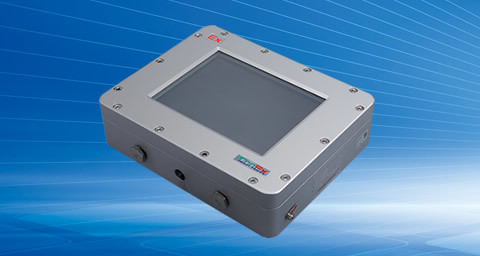
An ATEX approved monitor is a specialized device designed to operate safely in explosive atmospheres. These monitors are rigorously tested and certified to meet ATEX standards, ensuring they can withstand harsh conditions and prevent ignition sources that could trigger an explosion. Typically, these monitors are employed in industries where volatile gases or flammable dust are present, providing real-time data on environmental conditions.
Benefits of ATEX Monitors
Enhanced Safety Measures
One of the primary benefits of ATEX monitors is their ability to enhance safety measures within a workplace. By continuously monitoring environmental conditions, these devices can detect the presence of harmful gases or dust particles, allowing for prompt action to mitigate risks. **This proactive approach significantly reduces the likelihood of workplace accidents.**
Regulatory Compliance
Compliance with ATEX regulations is not optional; it is a legal necessity. Utilizing ATEX approved monitors helps organizations meet these regulations, avoiding costly fines and legal repercussions. Moreover, it demonstrates a commitment to safety, enhancing a company's reputation in the industry.
Increased Productivity
While the primary function of ATEX monitors is safety, they also contribute to increased productivity. By ensuring a safe working environment, employees can focus on their tasks without the constant worry of potential hazards. **A secure environment fosters a more productive workforce.**
Real-Time Data and Analytics
ATEX monitors provide real-time data and analytics, allowing companies to make informed decisions quickly. This capability is crucial in emergency situations where time is of the essence. By having access to immediate data, organizations can respond effectively to mitigate risks.
How ATEX Monitors Work
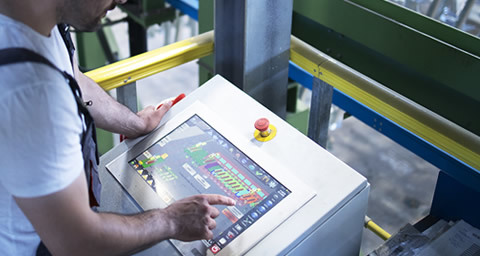
ATEX monitors function through a combination of sensors, alarms, and data processing systems. They are equipped with sensors that detect specific gases, vapors, or dust particles in the environment. When a hazardous condition is identified, the monitor triggers an alarm, alerting personnel to take immediate action. Additionally, many ATEX monitors connect to centralized systems for data logging and analysis, providing organizations with valuable insights into their environmental conditions.
Types of Sensors
Different types of sensors are utilized in ATEX monitors, including:
- Catalytic Bead Sensors: Detect combustible gases through combustion reactions.
- Infrared Sensors: Use infrared light to identify the presence of gas molecules.
- Photoionization Detectors (PID): Detect volatile organic compounds (VOCs) using ionization techniques.
Alarm Systems
Alarm systems in ATEX monitors are crucial for immediate safety responses. These alarms can be audible, visual, or both, ensuring that all personnel are aware of potential hazards. **The effectiveness of an ATEX monitor is significantly enhanced by its alarm capabilities.**
Choosing the Right ATEX Monitor for Your Workplace
Selecting an ATEX monitor requires careful consideration of various factors to ensure it meets the specific needs of your workplace. Here are some key aspects to evaluate:
Assessing Workplace Hazards
Understanding the specific hazards present in your work environment is critical. Different industries face unique risks, and the chosen monitor must be capable of detecting the relevant gases or dust. Conducting a thorough risk assessment can help identify these needs.
Understanding Certification Levels
ATEX monitors come with different certification levels, indicating their suitability for various explosive atmospheres. Familiarize yourself with these classifications to choose the right equipment for your environment. **This ensures optimal safety and compliance with regulations.**
Integration with Existing Safety Systems
Seamless integration of ATEX monitors with existing safety systems is essential. Consider how the monitor will fit within your current safety protocols and whether it can connect with other systems for enhanced data collection and analysis.
Implementation and Integration of ATEX Monitors
Successfully implementing ATEX monitors requires a well-defined strategy. Organizations must develop a plan that includes installation, training, and maintenance to ensure the monitors function effectively.
Installation Procedures
Installation must be performed by qualified personnel to guarantee compliance with ATEX regulations. Proper placement of monitors is crucial, as it affects their ability to detect hazardous conditions accurately. **Following manufacturer guidelines during installation is critical for optimal performance.**
Training Employees
Training is integral to the successful implementation of ATEX monitors. Employees should be educated about the function of the monitors, how to respond to alarms, and the importance of maintaining a safe working environment. Regular training sessions can reinforce safety protocols and ensure everyone is prepared for potential emergencies.
Regular Maintenance and Calibration
Ongoing maintenance and calibration of ATEX monitors are essential for ensuring their reliability. Regular checks should be conducted to verify that the monitors are functioning correctly and to replace any faulty components. **Establishing a maintenance schedule can extend the life of your equipment and enhance workplace safety.**
Common Questions About ATEX Monitors
1. What types of industries need ATEX approved monitors?
ATEX approved monitors are essential in industries such as oil and gas, chemical manufacturing, pharmaceuticals, and mining, where explosive atmospheres may be present.
2. How often should ATEX monitors be calibrated?
Calibration frequency depends on the manufacturer’s guidelines and the specific environment in which the monitor is used. Generally, it is recommended to calibrate at least once a year.
3. Are ATEX monitors expensive?
While the initial investment for ATEX monitors may be higher than conventional monitors, the long-term benefits, including enhanced safety and regulatory compliance, outweigh the costs.
4. Can ATEX monitors be used in non-hazardous environments?
While ATEX monitors are designed for hazardous environments, they can be used in non-hazardous environments; however, it may not be cost-effective to use specialized equipment in these settings.
5. What should I do if an ATEX monitor alarms?
If an ATEX monitor alarms, follow your workplace’s safety protocols. This typically involves evacuating the area, identifying the source of the alarm, and consulting with safety personnel before re-entering the area.
Conclusion
In conclusion, the importance of **ATEX approved monitors** in ensuring workplace safety cannot be overstated. These devices not only comply with regulatory standards but also significantly reduce the risks associated with hazardous environments. By investing in ATEX monitors, businesses can protect their employees, assets, and reputation while enhancing overall productivity. As safety is paramount in any industry, integrating ATEX monitors into your safety protocols is a proactive step towards fostering a secure working environment.
LATEST NEWS

Contact Us
7F, Bldg. 5A, Skyworth Innovation Valley, No. 1 Tangtou Rd., Shiyan, Bao’an District, Shenzhen, China 518108
Follow Us


Copyright © 2025 Shenzhen Xuyong Industry Co., Ltd. All Rights reserved.