
-
ProductAs the first company in the country to develop and produce explosion-proof touch screens, computers, HMIs, and related products, Xuyong has been a pioneer in industrial safety and innovation for over 20 years.
-
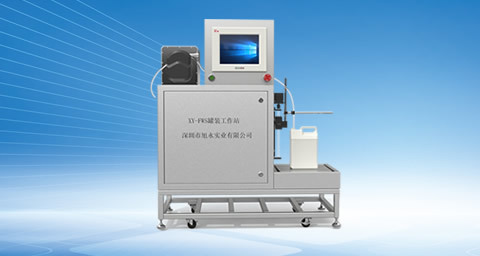
EquipmentAs the first company in the country to develop and produce explosion-proof touch screens, computers, HMIs, and related products, Xuyong has been a pioneer in industrial safety and innovation for over 20 years.
-
SolutionAs the first company in the country to develop and produce explosion-proof touch screens, computers, HMIs, and related products, Xuyong has been a pioneer in industrial safety and innovation for over 20 years.
-
AboutAs the first company in the country to develop and produce explosion-proof touch screens, computers, HMIs, and related products, Xuyong has been a pioneer in industrial safety and innovation for over 20 years.

Top Features to Look for in an ATEX Approved Monitor
2026-06-06 10:50
Top Features to Look for in an ATEX Approved Monitor
Understanding ATEX Certification: Why It Matters
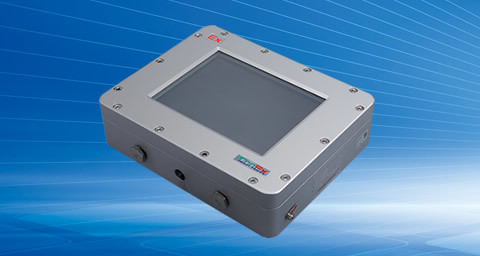
In industries where explosive atmospheres are a possibility, ensuring safety is of paramount importance. **ATEX (ATmosphères EXplosibles)** certification provides a framework for equipment used in such hazardous conditions. This certification confirms that the equipment has been tested and meets strict safety standards, which helps prevent accidents and ensures compliance with regulations. When investing in an ATEX approved monitor, understanding its features is essential for operational safety.
Key Features to Ensure Compliance and Safety
When selecting an ATEX approved monitor, several features are crucial for ensuring safety, compliance, and operational efficiency. The following sections explore these features in detail.
1. Compliance with ATEX Directive 2014/34/EU
The first and foremost feature of an ATEX approved monitor is its compliance with the **ATEX Directive**. This directive outlines the essential health and safety requirements for equipment used in potentially explosive environments. An ATEX certified monitor should display its certification clearly, making it easier for users to verify its suitability for specific hazardous zones.
2. Zone Classification and Gas Groups
ATEX approved monitors are categorized based on zone classification, such as Zone 0, Zone 1, and Zone 2. These classifications indicate the likelihood of explosive atmospheres due to flammable gases, vapors, or dust. Additionally, the monitor should be classified according to the specific gas groups it can safely operate in, including:
- **Group I**: Used in mining operations.
- **Group II**: Covers most industrial applications.
- **Group III**: Applicable in environments with combustible dust.
Understanding the zone classification and gas group of a monitor is imperative to ensure it fits the operational environment.
3. Robust Construction for Harsh Environments
Durability is a critical feature of ATEX approved monitors. The construction materials must withstand harsh environmental conditions, including extreme temperatures, humidity, and mechanical impacts. Common materials used include:
- **Stainless Steel**: Offers corrosion resistance and durability.
- **Polycarbonate**: Lightweight and resistant to impact.
- **Glass**: For displays that provide clarity under various lighting conditions.
A robust construction not only extends the life of the monitor but also ensures reliable performance in hazardous scenarios.
4. High Visibility Display
In explosive environments, visibility can often be compromised. An ATEX approved monitor should feature a high-contrast display that remains readable in various lighting conditions, including direct sunlight and low-light environments. Several monitor features enhance visibility:
- **Anti-Glare Screen**: Reduces reflections and enhances clarity.
- **Adjustable Brightness**: Ensures visibility based on surrounding lighting.
- **Large Font Size**: Facilitates easier reading from a distance.
These features contribute to safer operations by allowing users to quickly identify important information.
5. Touchscreen vs. Non-Touchscreen Interfaces
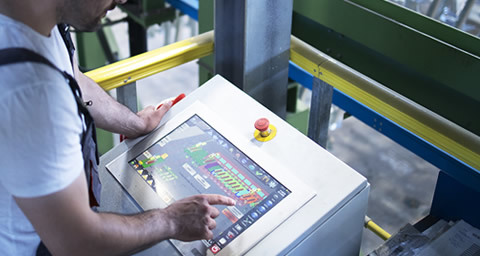
The choice between a touchscreen and a non-touchscreen interface can significantly impact usability. Touchscreen monitors allow for intuitive navigation and ease of use, especially in environments where users wear gloves. However, they may be more susceptible to damage. Conversely, non-touchscreen monitors often provide more durability and can be easier to operate in challenging conditions. Assessing the specific needs of your environment will guide this decision.
6. Connectivity Options
Modern ATEX approved monitors should offer versatile connectivity options for seamless integration with existing systems. Key connectivity features include:
- **Wired Connections**: Such as Ethernet or USB for stable communication.
- **Wireless Capabilities**: Including Wi-Fi and Bluetooth, allowing for remote monitoring.
- **Data Logging Features**: Enable the collection and analysis of operational data.
These features enhance the functionality of the monitor and contribute to better decision-making and operational efficiency.
7. Customizability and User Settings
A one-size-fits-all approach rarely works in specialized environments. An ATEX approved monitor should offer customizability features that allow users to tailor settings according to their specific requirements. Key customizable options include:
- **User Profiles**: Allowing different operators to save their settings.
- **Alerts and Notifications**: Customizable to ensure timely responses to critical situations.
- **Display Configurations**: Enabling users to choose metrics most relevant to their tasks.
Customizable monitors help streamline operations and enhance user experience.
8. Maintenance and Support Services
Choosing an ATEX approved monitor also involves considering the support and maintenance services available. Reliable technical support is crucial for troubleshooting issues that may arise in hazardous environments. Opting for a manufacturer that provides comprehensive after-sales support, including:
- **Regular Calibration Services**: Ensuring continued accuracy and compliance.
- **Warranty Options**: Protecting your investment in case of defects.
- **Training Resources**: Offering guidance on proper use and maintenance.
A strong support system minimizes downtime and enhances safety.
Conclusion
Selecting the right ATEX approved monitor is vital for ensuring safety and compliance in hazardous environments. By understanding the essential features such as compliance with ATEX directives, zone classification, robust construction, high visibility displays, connectivity options, and maintenance support, organizations can make informed decisions that protect their workforce and assets. Investing in a quality ATEX approved monitor not only meets regulatory standards but also enhances operational efficiency, leading to a safer workplace.
FAQs
1. What is the importance of ATEX certification?
ATEX certification ensures that equipment is safe to use in potentially explosive environments, reducing the risk of accidents.
2. How can I verify if a monitor is ATEX certified?
Look for the ATEX marking on the monitor, which should include the certification number and the specific zones it is approved for.
3. Can I use an ATEX approved monitor in any hazardous area?
No, you must ensure that the monitor's certification matches the zone classification of your operational environment.
4. What are the most common materials used in ATEX approved monitors?
Common materials include stainless steel, polycarbonate, and glass, all chosen for their durability and resistance to harsh conditions.
5. How often should I perform maintenance on my ATEX approved monitor?
Regular maintenance is recommended, including calibration and inspections, to ensure continued safety and compliance.
LATEST NEWS

Contact Us
7F, Bldg. 5A, Skyworth Innovation Valley, No. 1 Tangtou Rd., Shiyan, Bao’an District, Shenzhen, China 518108
Follow Us


Copyright © 2025 Shenzhen Xuyong Industry Co., Ltd. All Rights reserved.