
-
ProductAs the first company in the country to develop and produce explosion-proof touch screens, computers, HMIs, and related products, Xuyong has been a pioneer in industrial safety and innovation for over 20 years.
-
EquipmentAs the first company in the country to develop and produce explosion-proof touch screens, computers, HMIs, and related products, Xuyong has been a pioneer in industrial safety and innovation for over 20 years.
-
SolutionAs the first company in the country to develop and produce explosion-proof touch screens, computers, HMIs, and related products, Xuyong has been a pioneer in industrial safety and innovation for over 20 years.
-
AboutAs the first company in the country to develop and produce explosion-proof touch screens, computers, HMIs, and related products, Xuyong has been a pioneer in industrial safety and innovation for over 20 years.

How ATEX Approved Monitors Enhance Safety in Industry Settings
2026-04-17 16:10
How ATEX Approved Monitors Enhance Safety in Industry Settings
Table of Contents
- Understanding ATEX Standards for Industry Safety
- The Importance of Safety in Industry Settings
- What Are ATEX Approved Monitors?
- Key Features of ATEX Approved Monitors
- Benefits of Using ATEX Approved Monitors
- Applications of ATEX Approved Monitors in Various Industries
- Choosing the Right ATEX Approved Monitor for Your Needs
- Future Trends in ATEX Technology
- FAQs About ATEX Monitors
- Conclusion
Understanding ATEX Standards for Industry Safety
ATEX stands for “Atmosphères Explosibles,” and it is a regulatory framework established by the European Union to ensure the safety of equipment used in potentially explosive atmospheres. ATEX directives are essential in industries like oil and gas, chemicals, and mining, where flammable gases, vapors, or dust might be present. These standards help in classifying hazardous areas, ensuring that equipment used in such environments meets specific safety requirements.
The Importance of Safety in Industry Settings
In industrial settings, safety is paramount. Employers must protect their workforce from potential hazards, which can include explosive atmospheres, toxic fumes, and dangerous machinery. **Implementing robust safety protocols not only safeguards employees but also enhances productivity.** An incident in a hazardous environment can lead to catastrophic consequences, including injury, loss of life, and significant financial losses for the company. This underscores the need for effective safety equipment, including ATEX approved monitors.
What Are ATEX Approved Monitors?
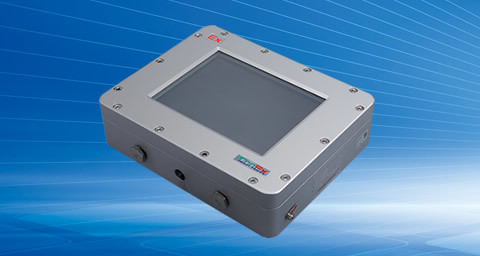
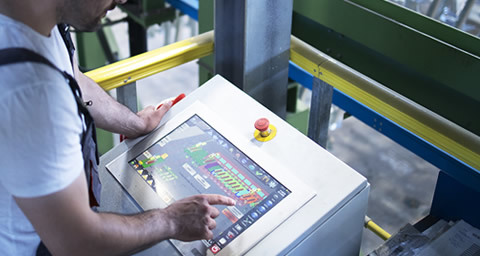
ATEX approved monitors are specialized devices designed to operate safely in environments where there is a risk of explosion. These monitors have been rigorously tested and certified to meet ATEX standards, ensuring they can withstand harsh conditions without posing a risk of ignition. They are essential tools for monitoring environmental conditions, such as temperature, humidity, and gas levels, allowing for real-time data collection and analysis.
Types of ATEX Approved Monitors
There are several types of ATEX approved monitors, each serving different purposes:
- **Gas Monitors:** Detect and measure the concentration of hazardous gases.
- **Temperature Monitors:** Monitor temperature levels in environments where overheating could pose a risk.
- **Humidity Monitors:** Measure moisture levels to prevent corrosion and other related issues.
Key Features of ATEX Approved Monitors
When selecting ATEX approved monitors, several key features are important to consider:
- **Durability:** Made from robust materials that can withstand harsh industrial conditions.
- **Real-time Data Monitoring:** Provides instant readings to allow for quick decision-making.
- **User-friendly Interface:** Easy to use and allows for effortless data interpretation.
- **Wireless Connectivity:** Facilitates remote monitoring and data transmission.
Benefits of Using ATEX Approved Monitors
The integration of ATEX approved monitors into industrial settings offers numerous benefits:
Enhanced Safety
**The primary advantage of ATEX monitors is the significant enhancement of safety measures.** They continuously monitor environmental conditions, alerting personnel to potential hazards before they escalate into emergencies.
Compliance with Regulations
Utilizing ATEX approved equipment ensures compliance with industry regulations, which helps avoid legal penalties and promotes a culture of safety within the organization.
Improved Operational Efficiency
By identifying potential safety issues early, ATEX monitors help maintain operational efficiency, reducing downtime caused by accidents or equipment failures.
Data-Driven Decision Making
With real-time data monitoring, companies can make informed decisions, optimizing processes and enhancing overall productivity.
Applications of ATEX Approved Monitors in Various Industries
ATEX approved monitors find applications across many sectors, including:
Oil and Gas Industry
In the oil and gas sector, ATEX monitors are crucial for detecting flammable gases and vapors. They are used in drilling sites, refineries, and storage facilities to prevent explosions and ensure the safety of personnel.
Chemical Manufacturing
Chemical plants often work with hazardous substances that require careful monitoring. ATEX monitors help ensure that emissions remain within safe limits and that any leaks are detected promptly.
Mining Operations
In mining, the presence of combustible dust is a significant concern. ATEX monitors play a vital role in ensuring a safe working environment by detecting dust levels and other hazardous conditions.
Pharmaceuticals
The pharmaceutical industry uses ATEX monitors to maintain strict safety and quality control measures, ensuring that the production environment is free from contamination.
Choosing the Right ATEX Approved Monitor for Your Needs
Selecting the appropriate ATEX approved monitor involves several considerations:
Assessing Your Environment
Evaluate the specific hazardous conditions present in your industrial setting to determine the type of monitor required. Consider factors such as gas types, temperature ranges, and humidity levels.
Understanding Your Monitoring Needs
Clearly define what you need to monitor. Whether it’s gas concentrations, temperature fluctuations, or humidity levels, ensuring the monitor meets your specific requirements is critical.
Budget Considerations
While safety should always come first, it’s also important to consider your budget. Compare features and prices to find the best value without compromising on quality and safety.
Future Trends in ATEX Technology
As technology continues to evolve, so too does the landscape of ATEX approved monitors. Future trends include:
Integration with IoT
The Internet of Things (IoT) is becoming increasingly integral in industrial settings. **Future ATEX monitors will likely feature enhanced IoT capabilities**, allowing for more sophisticated data collection and analysis.
Advanced Sensor Technology
Emerging sensor technologies will improve accuracy and response times, further enhancing safety protocols in hazardous environments.
Increased Automation
Automation will streamline monitoring processes, allowing for quicker response times and more efficient operations.
FAQs About ATEX Monitors
1. What is the significance of ATEX approval?
ATEX approval signifies that equipment has met stringent safety standards for use in potentially explosive environments, thereby reducing the risk of accidents.
2. Where can ATEX approved monitors be used?
These monitors can be used in various industries, including oil and gas, chemicals, mining, and pharmaceuticals, wherever hazardous conditions exist.
3. How often should ATEX monitors be calibrated?
Regular calibration is essential; ideally, ATEX monitors should be calibrated at least once a year, or more frequently depending on usage and environmental conditions.
4. Are ATEX monitors resistant to harsh conditions?
Yes, ATEX approved monitors are designed with durability in mind, often featuring rugged casings and protective measures against dust, moisture, and extreme temperatures.
5. Can I integrate ATEX monitors with existing safety systems?
Most ATEX monitors can be integrated with existing safety systems for enhanced data collection and emergency response capabilities.
Conclusion
In conclusion, ATEX approved monitors play a pivotal role in enhancing safety in industrial settings. Their adherence to strict safety standards, coupled with their ability to provide real-time data, makes them indispensable in managing hazardous environments. By understanding the significance of ATEX standards, the unique features of these monitors, and their numerous applications, organizations can make informed decisions that prioritize safety and efficiency. Investing in ATEX approved monitors not only complies with regulations but also fosters a culture of safety that protects both employees and operational integrity.
LATEST NEWS

Contact Us
7F, Bldg. 5A, Skyworth Innovation Valley, No. 1 Tangtou Rd., Shiyan, Bao’an District, Shenzhen, China 518108
Follow Us


Copyright © 2025 Shenzhen Xuyong Industry Co., Ltd. All Rights reserved.