
-
ProductAs the first company in the country to develop and produce explosion-proof touch screens, computers, HMIs, and related products, Xuyong has been a pioneer in industrial safety and innovation for over 20 years.
-
EquipmentAs the first company in the country to develop and produce explosion-proof touch screens, computers, HMIs, and related products, Xuyong has been a pioneer in industrial safety and innovation for over 20 years.
-
SolutionAs the first company in the country to develop and produce explosion-proof touch screens, computers, HMIs, and related products, Xuyong has been a pioneer in industrial safety and innovation for over 20 years.
-
AboutAs the first company in the country to develop and produce explosion-proof touch screens, computers, HMIs, and related products, Xuyong has been a pioneer in industrial safety and innovation for over 20 years.

Top Features to Look for in Your Next Explosion Proof Computer
2026-02-14 16:30
Top Features to Look for in Your Next Explosion Proof Computer
In industrial settings where flammable gases, dust, and other hazardous materials are present, ensuring the safety and reliability of equipment is paramount. Explosion-proof computers are specifically designed to withstand such conditions. In this article, we will explore the crucial features that one should consider when selecting an explosion-proof computer, ensuring you make an informed decision that aligns with both safety regulations and operational needs.
Understanding Explosion-Proof Computers
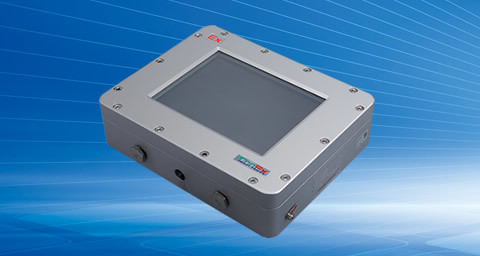
Explosion-proof computers are built to prevent the ignition of explosive atmospheres. They are compliant with industry standards such as ATEX, IECEx, and UL. These standards dictate the materials, construction methods, and testing processes that ensure the device can operate safely in potentially explosive environments.
Why You Need an Explosion-Proof Computer
In industries such as oil and gas, mining, pharmaceuticals, and chemical manufacturing, the risk of explosion is ever-present. Standard computers are not equipped to handle these environments, which could lead to catastrophic failures and safety breaches. Investing in an explosion-proof computer not only protects your personnel but also ensures uninterrupted operations, safeguarding your investments and productivity.
Essential Features of Explosion-Proof Computers
When choosing an explosion-proof computer, several features are vital to consider. Each feature contributes to the overall performance, safety, and usability of the device.
1. Compliance with Safety Standards
The first feature to verify is whether the computer complies with relevant safety standards. Look for certifications such as:
- **ATEX**: Ensures equipment is safe to use in explosive atmospheres.
- **IECEx**: International standard for electrical equipment in explosive environments.
- **UL**: Underwriters Laboratories certification ensures the product meets safety standards in the U.S.
2. Robust Enclosure and Material
The material used in the construction of explosion-proof computers plays a crucial role in ensuring safety. The enclosure must be made of durable, lightweight materials such as aluminum or stainless steel, which can resist impact and wear. The design should also be **IP-rated** (Ingress Protection), meaning it can withstand dust and moisture, which are common in industrial settings.
IP Ratings Explained
An IP rating is a two-digit code that indicates the level of protection against solid and liquid intrusion.
- **IP65**: Protected against dust and water jets.
- **IP67**: Resistant to dust and can be submerged in water up to 1 meter for a limited time.
3. Reliable Cooling System
Heat management is critical in explosion-proof computers, which often operate in high-temperature environments. Look for devices with built-in cooling systems, such as:
- **Passive Cooling**: Utilizes heat sinks to dissipate heat without additional energy consumption.
- **Active Cooling**: Employs fans or blowers, which must also be explosion-proof.
4. Performance Specifications
Performance specifications directly impact the efficiency of your tasks. Consider the following:
- **Processor**: Choose a powerful CPU (like Intel i5 or i7) to handle demanding applications.
- **RAM**: A minimum of 8GB is recommended for smooth multitasking.
- **Storage**: Solid State Drives (SSDs) are preferred due to their speed and durability, especially in rough conditions.
Future-Proofing Your Investment
Selecting a computer with upgradeable components can extend its lifespan and adaptability to future technological advances. Ensure compatibility with new hardware and software to avoid obsolescence.
5. Display Quality
A high-resolution display enhances usability, especially in environments with poor lighting. Look for:
- **Brightness**: Minimum brightness of 1000 nits for visibility in direct sunlight.
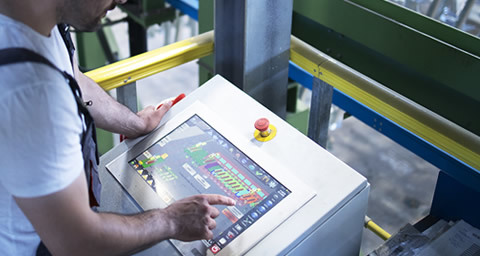
- **Touchscreen Capability**: Offers ease of use in demanding environments but should be durable and responsive.
6. Portability and Form Factor
Consider the form factor of the explosion-proof computer. Depending on your workspace, you may prefer a:
- **Rugged Laptop**: For mobility and versatility.
- **Panel PC**: For space-saving solutions mounted on walls or workstations.
- **Embedded Systems**: For integration into machinery or other systems.
7. Connectivity Options
In today's interconnected world, ensuring your explosion-proof computer has robust connectivity options is essential. Look for:
- **Multiple USB Ports**: For connecting peripherals.
- **Ethernet and Wi-Fi**: To facilitate network connections.
- **Bluetooth Capability**: For wireless device connections.
8. Warranty and Customer Support
Finally, a comprehensive warranty and responsive customer support can be a lifesaver. Look for manufacturers that offer:
- **Extended Warranty**: Covers parts and labor for several years.
- **Technical Support**: Accessible and knowledgeable customer service for troubleshooting and repairs.
Frequently Asked Questions (FAQs)
1. What industries commonly use explosion-proof computers?
Explosion-proof computers are frequently employed in industries such as oil and gas, chemical processing, pharmaceuticals, and mining, where there is a risk of explosive environments.
2. How do I determine the right IP rating for my needs?
The right IP rating depends on your specific environment. For dusty areas, an IP65 rating may suffice, while areas with potential water exposure might require an IP67 rating.
3. Can I use an explosion-proof computer in a standard office environment?
While explosion-proof computers can operate in office environments, they are typically over-engineered for such use. It’s more economical to use standard computers in non-hazardous environments.
4. Are explosion-proof computers more expensive than regular computers?
Yes, explosion-proof computers tend to be more expensive due to the specialized materials, certifications, and additional safety features required for hazardous environments.
5. How often should I have my explosion-proof computer serviced?
Regular maintenance is crucial; it's advisable to have your explosion-proof computer serviced at least once a year to ensure it remains compliant with safety standards and operates efficiently.
Conclusion
In summary, when selecting your next explosion-proof computer, prioritize compliance with safety standards, robust construction materials, effective cooling systems, and suitable performance specifications. By considering the features outlined in this article, you can ensure that your investment not only meets safety and operational requirements but also enhances productivity in hazardous environments. Make an informed choice that will serve your needs and protect your workforce, ultimately contributing to a safer and more efficient working environment.
LATEST NEWS

Contact Us
7F, Bldg. 5A, Skyworth Innovation Valley, No. 1 Tangtou Rd., Shiyan, Bao’an District, Shenzhen, China 518108
Follow Us


Copyright © 2025 Shenzhen Xuyong Industry Co., Ltd. All Rights reserved.