
-
ProductAs the first company in the country to develop and produce explosion-proof touch screens, computers, HMIs, and related products, Xuyong has been a pioneer in industrial safety and innovation for over 20 years.
-
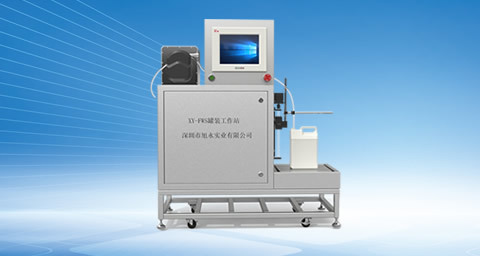
EquipmentAs the first company in the country to develop and produce explosion-proof touch screens, computers, HMIs, and related products, Xuyong has been a pioneer in industrial safety and innovation for over 20 years.
-
SolutionAs the first company in the country to develop and produce explosion-proof touch screens, computers, HMIs, and related products, Xuyong has been a pioneer in industrial safety and innovation for over 20 years.
-
AboutAs the first company in the country to develop and produce explosion-proof touch screens, computers, HMIs, and related products, Xuyong has been a pioneer in industrial safety and innovation for over 20 years.

Understanding Explosion Proof HMIs: Essential Insights for Industry Applications
2026-01-07 12:40
In today's industrial landscape, safety and reliability are paramount, especially in environments where flammable gases, vapors, or dust may be present. Explosion proof HMIs (Human-Machine Interfaces) play a crucial role in ensuring operational safety while providing essential functionalities for monitoring and control. These specialized devices are designed to withstand hazardous conditions, making them indispensable in various sectors, including oil and gas, chemicals, and pharmaceuticals.
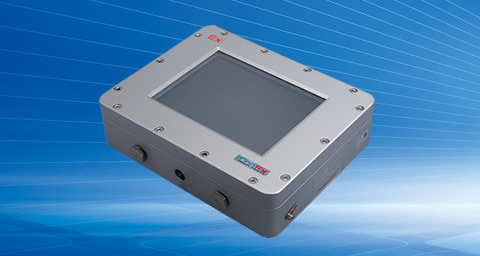
An explosion proof HMI is engineered to prevent the ignition of hazardous materials in its environment. This is achieved through robust construction materials and design principles that contain any potential explosions within the unit itself. Typically, these HMIs are built with heavy-duty enclosures, often made from stainless steel or other durable materials that can withstand extreme temperatures and corrosive substances.
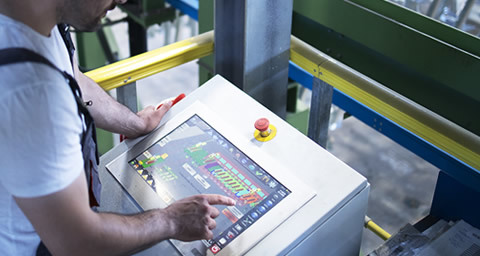
One of the primary features of explosion proof HMIs is their ability to function reliably in harsh environments. These devices often include advanced touchscreen technology, which allows for easy and intuitive interaction. The displays are designed to be readable in various lighting conditions, ensuring operators can access real-time data without compromising safety. Additionally, many explosion proof HMIs come with customizable interfaces, enabling users to tailor displays according to specific operational needs.
In terms of connectivity, explosion proof HMIs are equipped with various communication protocols like Ethernet, RS-232, and RS-485, ensuring compatibility with multiple industrial systems. This connectivity allows for seamless integration into existing setups, facilitating efficient data exchange between machines and operators. As industries continue to embrace automation and the Internet of Things (IoT), having reliable HMIs becomes even more critical.
Moreover, it is essential for organizations to adhere to strict compliance standards when selecting explosion proof equipment. Various certifications, such as ATEX (explosive atmospheres) and IECEx (International Electrotechnical Commission Explosive), ensure that the equipment meets specific safety regulations required for operation in hazardous environments. Understanding these certifications can help businesses select the right equipment and avoid catastrophic failures.
In conclusion, explosion proof HMIs are vital components for ensuring safety and efficiency in industrial settings where hazardous materials are present. By understanding their design, functionalities, and compliance requirements, professionals in the computing and digital products industry can make informed decisions when integrating these devices into their operations. Embracing the use of explosion proof HMIs not only enhances operational safety but also promotes a culture of accountability and diligence in managing risks associated with hazardous environments.
LATEST NEWS

Contact Us
7F, Bldg. 5A, Skyworth Innovation Valley, No. 1 Tangtou Rd., Shiyan, Bao’an District, Shenzhen, China 518108
Follow Us


Copyright © 2025 Shenzhen Xuyong Industry Co., Ltd. All Rights reserved.