
-
ProductAs the first company in the country to develop and produce explosion-proof touch screens, computers, HMIs, and related products, Xuyong has been a pioneer in industrial safety and innovation for over 20 years.
-
EquipmentAs the first company in the country to develop and produce explosion-proof touch screens, computers, HMIs, and related products, Xuyong has been a pioneer in industrial safety and innovation for over 20 years.
-
SolutionAs the first company in the country to develop and produce explosion-proof touch screens, computers, HMIs, and related products, Xuyong has been a pioneer in industrial safety and innovation for over 20 years.
-
AboutAs the first company in the country to develop and produce explosion-proof touch screens, computers, HMIs, and related products, Xuyong has been a pioneer in industrial safety and innovation for over 20 years.

Top Features to Look for in Explosion Proof HMIs: Your Ultimate Guide to Safe and Efficient Operations
2025-12-28 10:50
Top Features to Look for in Explosion Proof HMIs
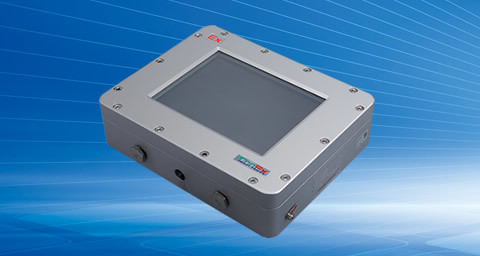
In industries such as oil and gas, chemicals, and mining, where hazardous conditions are commonplace, the need for **explosion-proof Human-Machine Interfaces (HMIs)** cannot be overstated. These specialized devices are designed to operate safely in environments where flammable gases, vapors, or dust may be present. As we delve into the top features to consider when selecting explosion-proof HMIs, we aim to provide you with comprehensive insights to make informed decisions.
Table of Contents
- Understanding Explosion-Proof Technology
- Key Features of Explosion-Proof HMIs
- Display Quality and Size Considerations
- Durability and Build Quality
- Safety Certifications and Compliance Standards
- User Interface and Usability Features
- Connectivity and Integration Options
- Cost Considerations and Budgeting for HMIs
- Conclusion
- Frequently Asked Questions
Understanding Explosion-Proof Technology
Explosion-proof HMIs are designed to prevent the ignition of flammable materials by containing any potential explosion within the device. This is achieved through robust construction and the use of materials that can withstand extreme conditions. Understanding the technology behind these devices is crucial for selecting the right model for your application.
Key Features of Explosion-Proof HMIs
When assessing explosion-proof HMIs, various features should be prioritized. These include:
1. **Ingress Protection (IP) Rating**
The IP rating indicates how well a device is protected against dust and water. For explosion-proof HMIs, a high IP rating (such as IP67) is essential to ensure reliable operation in harsh industrial environments.
2. **Temperature Range**
It is vital to select an HMI that can operate effectively within the temperature extremes of your working environment. Some environments may experience drastic temperature fluctuations, necessitating HMIs that can withstand these conditions without failure.
3. **Material Composition**
The materials used in the construction of explosion-proof HMIs greatly influence their durability and safety. Stainless steel and other rugged materials are often preferred for their strength and resistance to corrosion.
4. **Screen Technology**
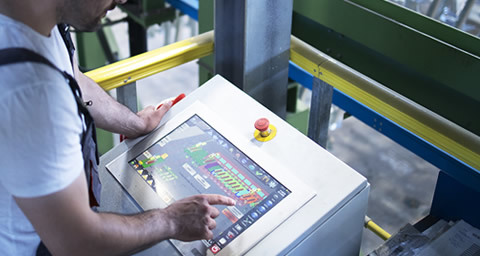
Consider devices that utilize advanced screen technologies, such as LED or LCD displays, which provide excellent readability in various lighting conditions. A touch-screen interface can also enhance usability.
Display Quality and Size Considerations
The display quality and size of an explosion-proof HMI are critical factors for usability and functionality. Here’s what to look for:
1. **Resolution and Clarity**
High-resolution displays ensure that information is clear and easily readable, which is essential for safety in high-stakes environments. Look for HMIs that offer resolutions of at least 800x600 pixels.
2. **Touch Sensitivity**
In many industrial scenarios, operators wear gloves, making touch sensitivity an important feature. Selecting an HMI with glove-compatible touch screens enhances operator efficiency and safety.
3. **Screen Size**
The size of the HMI screen should be large enough to display critical information without clutter but compact enough to fit in the designated space. A screen size of 10 inches or larger is often recommended for optimal visibility.
Durability and Build Quality
When operating in hazardous environments, durability is non-negotiable. Consider the following aspects:
1. **Vibration Resistance**
Many industrial settings expose equipment to constant vibrations. Selecting HMIs designed to withstand these conditions helps prevent premature failure.
2. **Impact Resistance**
Devices should have a robust construction that can endure accidental drops or impacts. Look for HMIs with impact-resistant enclosures.
3. **Corrosion Resistance**
Use of corrosion-resistant materials, such as stainless steel, is essential for maintaining the integrity of HMIs in harsh chemical environments.
Safety Certifications and Compliance Standards
Compliance with safety standards is critical for explosion-proof HMIs. Ensure that the device meets the following certifications:
1. **ATEX Certification**
In Europe, the ATEX directive governs equipment used in explosive atmospheres. Devices with ATEX certification are designed to operate safely in such environments.
2. **UL and CSA Listings**
In North America, UL (Underwriters Laboratories) and CSA (Canadian Standards Association) certifications are critical to ensure safety and reliability in explosive environments.
3. **IECEx Certification**
The IECEx system provides a global standard for equipment used in explosive atmospheres. Selecting devices with IECEx certification ensures compliance with international safety standards.
User Interface and Usability Features
An effective user interface enhances the efficiency of operations. Look for HMIs with:
1. **Customizable Interfaces**
The ability to customize the interface according to specific operational needs improves usability and enhances efficiency.
2. **User-Friendly Navigation**
Select HMIs that feature intuitive navigation to minimize training time for operators and reduce the likelihood of human error.
Connectivity and Integration Options
In today’s industrial landscape, connectivity is essential for seamless operations:
1. **Network Protocol Support**
Ensure the HMI supports various network protocols (such as Modbus, Ethernet/IP, or Profibus) to facilitate easy integration with existing systems.
2. **Remote Monitoring Capabilities**
Many modern HMIs offer remote access capabilities, allowing operators to monitor equipment and respond to alerts from anywhere, enhancing operational efficiency.
Cost Considerations and Budgeting for HMIs
While cost should not be the sole factor, budgeting is crucial. Consider these aspects:
1. **Initial Investment vs. Long-Term Savings**
Investing in high-quality explosion-proof HMIs may have a higher upfront cost but can result in significant savings over time through reduced downtime and lower maintenance costs.
2. **Lifecycle Costs**
Consider the total cost of ownership, including maintenance, repairs, and potential upgrades. Selecting durable HMIs can minimize lifecycle costs significantly.
Conclusion
Selecting the right explosion-proof HMI is paramount for ensuring safety and efficiency in hazardous environments. By considering factors such as display quality, durability, safety certifications, and usability features, you can make informed decisions that enhance operational performance. Invest time in researching and evaluating potential HMIs to ensure they meet the specific needs of your industry, ultimately fostering a safer work environment.
Frequently Asked Questions
1. What is an explosion-proof HMI?
An explosion-proof HMI is a device designed to operate safely in hazardous environments where flammable gases, vapors, or dust are present, preventing any potential ignition.
2. How do I know if an HMI is suitable for my industry?
Assess the HMI’s certifications and features against industry standards and requirements to ensure it meets your operational conditions.
3. What are the key certifications for explosion-proof HMIs?
Key certifications include ATEX, UL, CSA, and IECEx, which signify compliance with safety standards for use in explosive atmospheres.
4. Are touch screens safe to use in hazardous environments?
Yes, provided they are designed for industrial use and have appropriate features like glove compatibility and rugged construction.
5. How can I ensure the durability of an explosion-proof HMI?
Choose HMIs made from durable materials, with high IP ratings and certifications that indicate resistance to environmental factors and impacts.
LATEST NEWS

Contact Us
7F, Bldg. 5A, Skyworth Innovation Valley, No. 1 Tangtou Rd., Shiyan, Bao’an District, Shenzhen, China 518108
Follow Us


Copyright © 2025 Shenzhen Xuyong Industry Co., Ltd. All Rights reserved.