
-
ProductAs the first company in the country to develop and produce explosion-proof touch screens, computers, HMIs, and related products, Xuyong has been a pioneer in industrial safety and innovation for over 20 years.
-
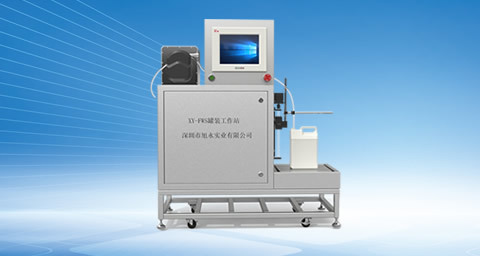
EquipmentAs the first company in the country to develop and produce explosion-proof touch screens, computers, HMIs, and related products, Xuyong has been a pioneer in industrial safety and innovation for over 20 years.
-
SolutionAs the first company in the country to develop and produce explosion-proof touch screens, computers, HMIs, and related products, Xuyong has been a pioneer in industrial safety and innovation for over 20 years.
-
AboutAs the first company in the country to develop and produce explosion-proof touch screens, computers, HMIs, and related products, Xuyong has been a pioneer in industrial safety and innovation for over 20 years.

Understanding Explosion-Proof Batch Controllers in Industry Computing
2025-12-22 10:50
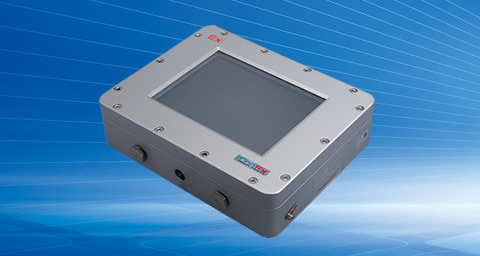
In the industrial computing sector, particularly in applications involving hazardous materials, the implementation of explosion-proof technology is crucial. An explosion-proof batch controller is designed specifically for environments where flammable gases, vapors, or dust may be present. These controllers ensure that the equipment can operate safely without posing a risk to personnel or property.
The core functionality of an explosion-proof batch controller revolves around its ability to manage and control batch processes while adhering to stringent safety standards. These controllers typically feature robust enclosures that can withstand explosions from within, effectively preventing any ignition sources from escaping. This is particularly important in industries such as chemical processing, oil and gas, and pharmaceuticals, where the presence of volatile substances is commonplace.
One key aspect of explosion-proof batch controllers is their compliance with industry standards, such as those set by the National Electrical Code (NEC) and Underwriters Laboratories (UL). Understanding these standards is essential for professionals in the field, as they dictate the necessary certifications and testing for equipment used in hazardous areas. When selecting an explosion-proof batch controller, it’s vital to ensure that the device is rated for the specific environment in which it will be deployed.
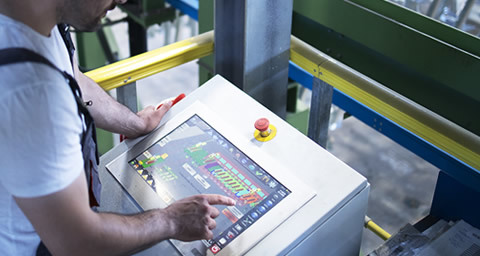
Furthermore, modern explosion-proof batch controllers come equipped with advanced features such as digital displays, remote connectivity, and programmable logic controls (PLC). These features enhance operational efficiency by allowing for real-time monitoring and adjustments to batch processes. Additionally, integrating these controllers with industrial automation systems can lead to improved data collection and analysis, optimizing production workflows.
In terms of installation and maintenance, professionals in the industry must adhere to specific protocols to ensure safety and functionality. Proper installation requires adherence to the manufacturer's guidelines and relevant safety codes. Regular maintenance checks are also essential to identify wear and tear or potential failures in the system, ensuring continued safe operation.
When considering the implementation of an explosion-proof batch controller, it’s important for professionals to conduct a thorough risk assessment of their operational environment. This assessment will help identify potential hazards, allowing for informed decisions regarding the selection and installation of the appropriate equipment.
In conclusion, explosion-proof batch controllers play a pivotal role in maintaining safety and efficiency within hazardous industrial environments. By understanding their functionalities, compliance requirements, and best practices for installation and maintenance, professionals can better navigate the complexities of operating in explosive atmospheres while optimizing their production processes.
LATEST NEWS

Contact Us
7F, Bldg. 5A, Skyworth Innovation Valley, No. 1 Tangtou Rd., Shiyan, Bao’an District, Shenzhen, China 518108
Follow Us


Copyright © 2025 Shenzhen Xuyong Industry Co., Ltd. All Rights reserved.