
-
ProductAs the first company in the country to develop and produce explosion-proof touch screens, computers, HMIs, and related products, Xuyong has been a pioneer in industrial safety and innovation for over 20 years.
-
EquipmentAs the first company in the country to develop and produce explosion-proof touch screens, computers, HMIs, and related products, Xuyong has been a pioneer in industrial safety and innovation for over 20 years.
-
SolutionAs the first company in the country to develop and produce explosion-proof touch screens, computers, HMIs, and related products, Xuyong has been a pioneer in industrial safety and innovation for over 20 years.
-
AboutAs the first company in the country to develop and produce explosion-proof touch screens, computers, HMIs, and related products, Xuyong has been a pioneer in industrial safety and innovation for over 20 years.

Understanding Explosion-Proof HMIs: Essential Insights for Industry Computing
2025-12-18 11:00
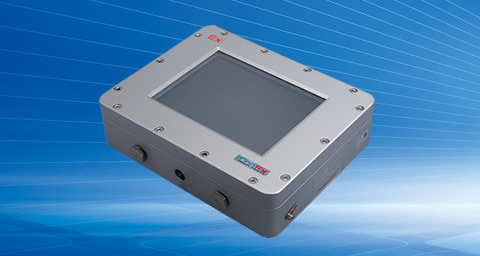
Explosion-proof HMIs (Human-Machine Interfaces) are specialized devices designed to operate safely in environments where flammable gases, vapors, or dust may be present. These interfaces are crucial in various industries including oil and gas, chemical processing, and pharmaceuticals, where the risk of explosions due to volatile substances is a significant concern. Understanding the workings and importance of explosion-proof HMIs can be vital for ensuring safety and enhancing operational efficiency in such hazardous settings.
At the core of explosion-proof HMIs is their ability to contain any potential ignition sources within the device. These HMIs are constructed using robust materials and undergo rigorous testing standards to ensure they can withstand explosive atmospheres. They often feature sealed enclosures that prevent internal sparks from escaping while also being resistant to harsh environmental conditions, such as moisture and dust. This makes them ideal for deployment in challenging industrial environments.
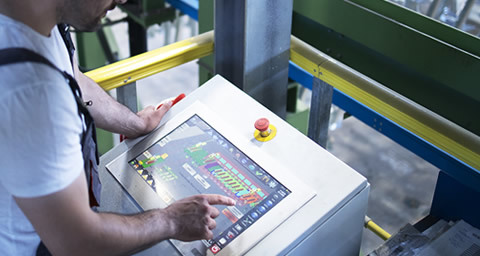
One of the primary functions of explosion-proof HMIs is to provide operators with real-time access to control systems and data monitoring. This capability is essential for making informed decisions and responding to operational needs promptly. The interfaces usually offer a user-friendly design, allowing operators to interact seamlessly with complex machinery and processes. Touchscreen capabilities, for instance, enable easy navigation and control, enhancing overall productivity.
Moreover, explosion-proof HMIs are equipped with advanced communication features. They can connect with various industrial protocols and systems, facilitating data exchange between different devices and systems in a plant. This connectivity plays a critical role in promoting automation and streamlining operations, which is increasingly vital in today’s industrial landscape.
Safety certifications are a crucial aspect of explosion-proof HMIs. They must meet stringent guidelines set by regulatory bodies to ensure their reliability in hazardous locations. When selecting an explosion-proof HMI, it's essential to verify the certifications applicable to your specific industry and operational environment. This ensures not only compliance with safety regulations but also the protection of personnel and equipment.
In conclusion, explosion-proof HMIs represent a pivotal element within the industrial computing landscape, particularly in sectors where safety is paramount. By understanding their functionality, safety measures, and operational benefits, companies can make informed decisions when integrating these crucial devices into their systems. Ensuring that your operations are equipped with the right explosion-proof HMI can lead to safer working conditions and improved efficiency, ultimately supporting sustained productivity in hazardous environments.
LATEST NEWS

Contact Us
7F, Bldg. 5A, Skyworth Innovation Valley, No. 1 Tangtou Rd., Shiyan, Bao’an District, Shenzhen, China 518108
Follow Us


Copyright © 2025 Shenzhen Xuyong Industry Co., Ltd. All Rights reserved.