
-
ProductAs the first company in the country to develop and produce explosion-proof touch screens, computers, HMIs, and related products, Xuyong has been a pioneer in industrial safety and innovation for over 20 years.
-
EquipmentAs the first company in the country to develop and produce explosion-proof touch screens, computers, HMIs, and related products, Xuyong has been a pioneer in industrial safety and innovation for over 20 years.
-
SolutionAs the first company in the country to develop and produce explosion-proof touch screens, computers, HMIs, and related products, Xuyong has been a pioneer in industrial safety and innovation for over 20 years.
-
AboutAs the first company in the country to develop and produce explosion-proof touch screens, computers, HMIs, and related products, Xuyong has been a pioneer in industrial safety and innovation for over 20 years.

Understanding Explosion-Proof Computers: Essential Insights for Industry Professionals
2025-11-28 10:40
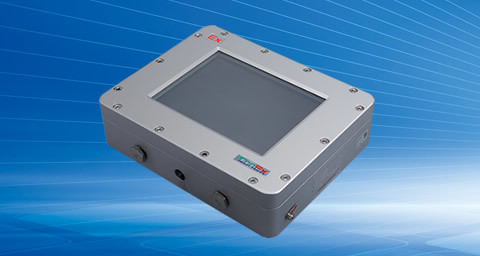
Explosion-proof computers are designed to operate safely in hazardous environments where flammable gases, vapors, or dust may be present. These specialized devices play a crucial role in ensuring the safety and efficiency of operations in various industries, including oil and gas, pharmaceuticals, chemicals, and mining. Understanding the functionality and benefits of explosion-proof computers can greatly enhance workplace safety and productivity.
The primary purpose of an explosion-proof computer is to prevent any internal sparks or heat generated by the device from igniting an explosive atmosphere. This is achieved through robust construction methods, typically involving reinforced enclosures and specialized materials that can withstand extreme conditions. Such computers are rigorously tested to meet stringent safety standards, ensuring they can operate reliably in environments that pose significant risks.
One of the defining features of explosion-proof computers is their ability to function in a wide range of temperatures and pressures. This capability is essential for industries where environmental conditions can fluctuate dramatically. Many explosion-proof computers are also designed to be resistant to moisture, dust, and corrosive substances, further enhancing their durability and longevity in challenging settings.
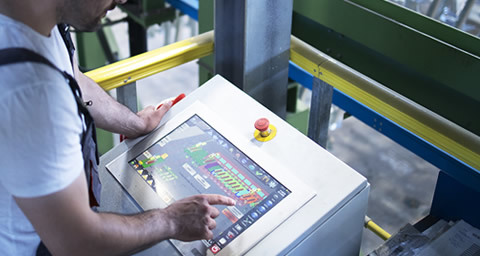
Another important aspect of explosion-proof computers is their versatility. These devices are available in various configurations and can be tailored to meet specific industry requirements. They can support a range of applications, from data collection and monitoring to complex control systems. As industries increasingly rely on automation and data analytics, the importance of explosion-proof computers is only set to grow.
In addition to safety, explosion-proof computers contribute to operational efficiency. By allowing for real-time data processing and communication, these devices enable organizations to respond promptly to potential issues, thereby minimizing downtime and enhancing overall productivity. The integration of advanced technologies, such as IoT connectivity and remote monitoring, further elevates their functionality, providing valuable insights that can drive decision-making.
When selecting an explosion-proof computer for your operations, it is essential to consider several factors, including the specific environmental conditions, application requirements, and compliance with industry standards. Collaborating with a knowledgeable supplier can help ensure that you choose the right equipment to match your needs, ultimately safeguarding your workforce and operations.
In conclusion, explosion-proof computers are vital tools for industries operating in hazardous environments. Their specialized design and robust features not only enhance safety but also improve operational efficiency. As technology continues to advance, the role of these computers will only become more significant in ensuring safe and productive work environments. Understanding their importance is crucial for professionals committed to maintaining safety and efficiency in their respective fields.
The primary purpose of an explosion-proof computer is to prevent any internal sparks or heat generated by the device from igniting an explosive atmosphere. This is achieved through robust construction methods, typically involving reinforced enclosures and specialized materials that can withstand extreme conditions. Such computers are rigorously tested to meet stringent safety standards, ensuring they can operate reliably in environments that pose significant risks.
One of the defining features of explosion-proof computers is their ability to function in a wide range of temperatures and pressures. This capability is essential for industries where environmental conditions can fluctuate dramatically. Many explosion-proof computers are also designed to be resistant to moisture, dust, and corrosive substances, further enhancing their durability and longevity in challenging settings.
Another important aspect of explosion-proof computers is their versatility. These devices are available in various configurations and can be tailored to meet specific industry requirements. They can support a range of applications, from data collection and monitoring to complex control systems. As industries increasingly rely on automation and data analytics, the importance of explosion-proof computers is only set to grow.
In addition to safety, explosion-proof computers contribute to operational efficiency. By allowing for real-time data processing and communication, these devices enable organizations to respond promptly to potential issues, thereby minimizing downtime and enhancing overall productivity. The integration of advanced technologies, such as IoT connectivity and remote monitoring, further elevates their functionality, providing valuable insights that can drive decision-making.
When selecting an explosion-proof computer for your operations, it is essential to consider several factors, including the specific environmental conditions, application requirements, and compliance with industry standards. Collaborating with a knowledgeable supplier can help ensure that you choose the right equipment to match your needs, ultimately safeguarding your workforce and operations.
In conclusion, explosion-proof computers are vital tools for industries operating in hazardous environments. Their specialized design and robust features not only enhance safety but also improve operational efficiency. As technology continues to advance, the role of these computers will only become more significant in ensuring safe and productive work environments. Understanding their importance is crucial for professionals committed to maintaining safety and efficiency in their respective fields.
LATEST NEWS

Contact Us
7F, Bldg. 5A, Skyworth Innovation Valley, No. 1 Tangtou Rd., Shiyan, Bao’an District, Shenzhen, China 518108
Follow Us


Copyright © 2025 Shenzhen Xuyong Industry Co., Ltd. All Rights reserved.