
-
ProductAs the first company in the country to develop and produce explosion-proof touch screens, computers, HMIs, and related products, Xuyong has been a pioneer in industrial safety and innovation for over 20 years.
-
EquipmentAs the first company in the country to develop and produce explosion-proof touch screens, computers, HMIs, and related products, Xuyong has been a pioneer in industrial safety and innovation for over 20 years.
-
SolutionAs the first company in the country to develop and produce explosion-proof touch screens, computers, HMIs, and related products, Xuyong has been a pioneer in industrial safety and innovation for over 20 years.
-
AboutAs the first company in the country to develop and produce explosion-proof touch screens, computers, HMIs, and related products, Xuyong has been a pioneer in industrial safety and innovation for over 20 years.

What Industries Are Leading the Way in Using Explosion Proof Monitors?
2025-11-22 10:40
What Industries Are Leading the Way in Using Explosion Proof Monitors?
Introduction to Explosion Proof Monitors
In an age where safety is paramount, especially in hazardous environments, explosion proof monitors have emerged as essential tools across various industries. These specialized devices are designed to withstand and operate in conditions where flammable gases, vapors, or dust may be present. As we explore the industries that are leading the way in utilizing these monitors, it is crucial to understand the technology behind them and the unique safety requirements of each sector.
The Significance of Explosion Proof Monitors
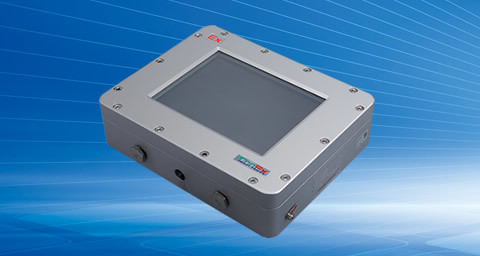
Explosion proof monitors serve a dual purpose: they ensure that sensitive operational data is monitored while also safeguarding personnel and equipment from catastrophic explosions. These monitors are engineered to prevent ignition of hazardous substances by confining any explosion within the unit itself. The materials used, such as tempered glass and robust enclosures, are designed to endure extreme conditions.
Understanding the Certification Standards
Before diving into the industries leveraging explosion proof technology, it’s important to understand the certification standards that guide the manufacture and use of these monitors. The United States National Electrical Code (NEC) and international standards such as ATEX (European Union) and IECEx provide guidelines ensuring that equipment can operate safely in explosive atmospheres.
Leading Industries Utilizing Explosion Proof Monitors
1. Oil and Gas Industry
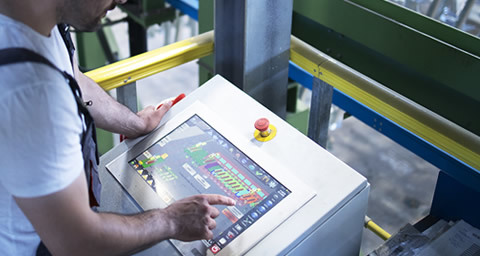
The oil and gas sector remains one of the largest users of explosion proof monitors. Given the volatile nature of the materials involved, from drilling to refining, the implementation of explosion proof technology is crucial. These monitors are utilized for real-time surveillance of drilling rigs, refineries, and transport systems to prevent accidents and enhance operational efficiency.
Challenges Faced by the Oil and Gas Sector
The oil and gas industry is fraught with challenges such as leaks, equipment failure, and environmental hazards. Explosion proof monitors help mitigate risks by providing constant monitoring and early detection of potential threats. Additionally, they facilitate compliance with stringent safety regulations.
2. Chemical Manufacturing
Chemical manufacturing is another sector that heavily relies on explosion proof monitors. The production of chemicals often involves hazardous substances that can ignite under certain conditions. These monitors allow for the safe observation of chemical processes, ensuring that any abnormal conditions can be addressed proactively.
Safety Protocols in Chemical Manufacturing
In chemical plants, explosion proof monitors are deployed in areas where reactive chemicals are handled. By integrating these devices into their safety protocols, companies not only comply with legal regulations but also foster a culture of safety among employees.
3. Pharmaceutical Industry
The pharmaceutical industry, while not as explosive in nature as oil and gas or chemicals, still employs explosion proof monitors, especially in facilities where volatile compounds are processed. These monitors help ensure that production environments remain safe and that products meet stringent quality standards.
Maintaining Compliance and Safety
Pharmaceutical companies must adhere to rigorous safety standards. Explosion proof monitors provide an additional layer of risk management, minimizing the potential for accidents that could compromise product quality and employee safety.
4. Food and Beverage Production
The food and beverage industry may seem less hazardous, but the presence of flammable gases during processes such as fermentation and carbonation makes explosion proof monitors vital. These devices ensure that production areas are safe for workers while maintaining efficiency.
Ensuring Product Safety and Employee Welfare
The use of explosion proof monitors in food production facilities not only protects workers but also ensures that food safety standards are upheld. These monitors help prevent contaminants from entering production lines, preserving product integrity.
5. Mining and Quarrying
In mining and quarrying, the risk of explosion due to flammable gases and dust is a significant concern. Explosion proof monitors are extensively used in these industries to track environmental conditions and equipment performance, helping to avert dangerous situations.
Surveillance in Hazardous Conditions
The rugged terrain and hazardous conditions of mines necessitate robust monitoring systems. Explosion proof monitors provide essential data for safe operations, ensuring that workers can perform their tasks without unnecessary risk.
6. Aerospace and Defense
The aerospace and defense sectors also utilize explosion proof monitors, especially in environments where fuel and munitions are handled. These industries prioritize safety and reliability, making explosion proof technology indispensable.
High-Stakes Environments
In aerospace and defense, the potential consequences of an explosion are severe. Explosion proof monitors are integrated into systems to ensure that critical operations are conducted safely, supporting national security and advancing technology.
7. Power Generation
Power generation facilities, particularly those using fossil fuels or biofuels, employ explosion proof monitors to prevent accidents. These monitors play a vital role in monitoring emissions and ensuring compliance with environmental regulations.
Enhancing Operational Efficiency
By utilizing explosion proof monitors, power generation plants can optimize their operations while prioritizing safety. These devices help in detecting early signs of malfunction, allowing for timely interventions.
8. Construction and Demolition
In construction and demolition projects, particularly those involving renovation of older structures, explosion proof monitors are crucial. They help identify hazardous conditions, such as the presence of explosive materials or gases, ensuring worker safety.
Promoting a Culture of Safety on Job Sites
Implementing explosion proof monitors in construction not only safeguards workers but also enhances the overall safety culture on job sites. Regular monitoring can prevent accidents and ensure compliance with safety standards.
Benefits of Using Explosion Proof Monitors
The integration of explosion proof monitors across various industries is not merely a compliance measure; it brings substantial benefits, including:
- Enhanced Worker Safety: Reducing the risk of explosions directly contributes to a safer working environment.
- Regulatory Compliance: These monitors help companies adhere to industry regulations, avoiding costly fines and shutdowns.
- Operational Efficiency: Constant monitoring allows for the early detection of issues, leading to less downtime and more efficient operations.
- Data Integrity: Explosion proof monitors provide reliable data that can be crucial for decision-making and operational improvements.
- Risk Mitigation: By identifying potential hazards before they escalate, these devices play a critical role in risk management strategies.
Future Trends in Explosion Proof Monitoring Technology
As technology continues to evolve, the future of explosion proof monitors looks promising. Key trends include:
1. Integration with IoT
The Internet of Things (IoT) is making its way into explosion proof technology, allowing for wireless monitoring and data collection. This integration enhances real-time surveillance capabilities and operational insights.
2. Advanced Analytics
The use of big data analytics will allow industries to predict potential failures and optimize processes. Explosion proof monitors equipped with analytic capabilities can provide actionable insights for improving safety and efficiency.
3. Improved User Interfaces
Future explosion proof monitors are likely to feature more intuitive user interfaces, making it easier for operators to interpret data and respond promptly to alerts.
4. Customizable Solutions
As industries evolve, there will be a growing demand for customizable explosion proof monitoring solutions tailored to specific operational needs, enhancing their effectiveness.
5. Sustainability Concerns
With increasing emphasis on sustainability, future monitors will likely focus on minimizing environmental impact while maintaining safety and compliance.
Conclusion
The use of explosion proof monitors is becoming increasingly prevalent across various industries, driven by the need for enhanced safety and operational efficiency. From the oil and gas sector to aerospace, each industry faces unique challenges and benefits from the integration of this technology. As we move into the future, advancements in explosion proof monitoring will not only help mitigate risks but will also play a crucial role in shaping safe and productive workplaces. The commitment to safety through innovation is not just a trend; it is becoming an integral part of industrial operations globally.
Frequently Asked Questions
1. What are explosion proof monitors?
Explosion proof monitors are specialized devices designed to operate safely in environments where flammable gases, vapors, or dust may be present. They are built to prevent ignition and contain any potential explosion within the unit itself.
2. Which industries commonly use explosion proof monitors?
Industries such as oil and gas, chemical manufacturing, pharmaceuticals, food and beverage production, mining, aerospace and defense, power generation, and construction utilize explosion proof monitors to enhance safety and operational efficiency.
3. How do explosion proof monitors enhance safety?
These monitors provide real-time data and alerts regarding environmental conditions, helping to identify potential hazards before they escalate into dangerous situations. They play a critical role in risk management strategies.
4. Are explosion proof monitors compliant with safety regulations?
Yes, explosion proof monitors are designed according to strict safety standards and regulations, such as the National Electrical Code (NEC) and international standards like ATEX and IECEx.
5. What are future trends in explosion proof monitoring technology?
Future trends include the integration of IoT for wireless monitoring, advanced analytics for predictive maintenance, improved user interfaces, customizable solutions for specific needs, and an emphasis on sustainability in design and operation.
LATEST NEWS

Contact Us
7F, Bldg. 5A, Skyworth Innovation Valley, No. 1 Tangtou Rd., Shiyan, Bao’an District, Shenzhen, China 518108
Follow Us


Copyright © 2025 Shenzhen Xuyong Industry Co., Ltd. All Rights reserved.